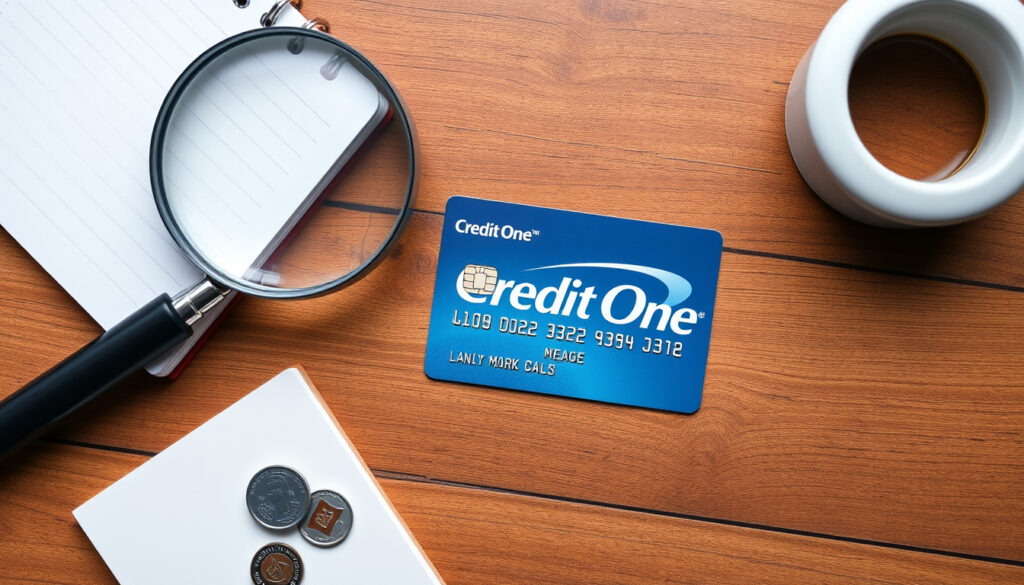
Credit One Credit Card Review: Is It Worth It? (2025)
If you’ve ever tried getting a credit card with a less-than-perfect credit score, you’ve probably seen Credit One Bank’s ads. The company has been offering cards to subprime borrowers since 1984, but the fees and terms can catch anyone off guard. This review sorts through the fine print, real customer experiences, and regulatory records to help you decide whether a Credit One card actually helps or hurts your financial comeback.
Trustpilot Rating: 1.5 / 5 ·
Trustpilot Reviews Count: 42 ·
Founded: 1984
Quick snapshot
- U.S.-based credit card issuer founded in 1984 (Credit One Bank (official site))
- Specializes in cards for subprime and rebuilding credit (CreditCards.com (credit card comparison authority))
- Offers both secured and unsecured Visa/Mastercard products (Credit One Bank (official site))
- Reports to all three credit bureaus (Credit One Bank (official site))
- May offer credit limit increases after responsible use (Credit Karma (credit monitoring platform))
- Mobile app for account management (Credit One Bank (official site))
- High annual fees and APRs (NerdWallet (personal finance publication))
- Low initial credit limits (often $300–$500) (Credit Karma (credit monitoring platform))
- Numerous customer service complaints (Trustpilot (user review aggregator))
- Low Trustpilot rating (1.5/5) (Trustpilot (user review aggregator))
- People with poor or no credit history (CreditCards.com (credit card comparison authority))
- Those looking to rebuild their credit score (NerdWallet (personal finance publication))
- Applicants who might not qualify for major bank cards (CreditCards.com (credit card comparison authority))
The table below summarizes the key facts about Credit One credit cards.
| Feature | Details | Source |
|---|---|---|
| Bank Name | Credit One Bank, N.A. | Credit One Bank (official site) |
| Headquarters | Las Vegas, Nevada | Credit One Bank (official site) |
| Founded | 1984 | Credit One Bank (official site) |
| Card Networks | Visa, Mastercard | Credit One Bank (official site) |
| Credit Score Range | 580–700 (subprime to fair) | CreditCards.com (credit card comparison authority) |
| Annual Fee Range | $0–$99 | NerdWallet (personal finance publication) |
| APR Range | 24.99%–29.99% | NerdWallet (personal finance publication) |
| Rewards | 1% cash back on eligible purchases (select cards) | CreditCards.com (credit card comparison authority) |
| Mobile App Rating (Google Play) | 4.2 / 5 (based on user reviews) | Credit One Bank (official site) |
Is Credit One a Good Credit Card to Have?
Pros and Cons of Credit One Cards
- Upside: Credit One reports to all three major credit bureaus — Experian, TransUnion, and Equifax — which is essential for building credit history. Credit One Bank (official site) confirms this directly.
- Downside: Annual fees range from $0 to $99, but most applicants with bad credit will receive a card carrying a $75–$95 fee. NerdWallet (personal finance publication) notes that the cards you actually qualify for typically come with ongoing costs.
- Downside: Variable APRs can reach 29.99%, making carried balances expensive quickly. NerdWallet (personal finance publication) reports APRs topping 29%.
User Reviews from Reddit and Trustpilot
On Trustpilot, Credit One has a 1.5 out of 5 rating from 42 reviews. Trustpilot (user review aggregator) shows most reviewers felt let down. Common complaints mention high fees, low credit limits, and difficulty reaching customer service. Reddit users in r/CRedit often warn about “hidden” charges like an express payment fee and a monthly “account maintenance” fee on some cards. BestCompany (third-party review site) mentions that Credit One may charge a fee for automatic credit limit reviews.
The catch: For a card that’s marketed as a credit-building tool, the total annual cost can eat up a big chunk of a small credit line. A $95 fee on a $300 limit is effectively a 31.7% cost before interest.
What is the Highest Credit Limit for a Credit One Card?
Factors Affecting Credit Limit
Credit One’s starting limits are modest. Credit Karma (credit monitoring platform) reports a minimum credit line of $300 on the Platinum Rewards Visa. The same source says the average credit limit among matched members is $1,272. Higher limits ($5,000+) are reportedly available on premium tiers, but those typically require fair credit (FICO 580–669).
How to Increase Your Credit Limit
Credit One automatically reviews accounts for potential increases, according to BestCompany (third-party review site) — but a fee may apply for that service. Credit Karma (credit monitoring platform) says increases are based on “overall credit performance,” not guaranteed.
The card designed to help you build credit may charge you a fee for the privilege of having your credit limit reviewed — something most major issuers do for free.
The pattern: Credit One’s fee structure often imposes costs where other lenders offer free services, making it harder for the target audience to benefit.
Which Bank Owns Credit One Credit Cards?
Credit One Bank Ownership Details
Credit One Bank, N.A. is the issuing bank. It is a subsidiary of Credit One Financial, a privately held company headquartered in Las Vegas, Nevada. The bank is a member of the FDIC, meaning deposits are insured up to $250,000. Credit One Bank (official site) confirms its FDIC membership.
Regulatory Oversight (CRA Evaluation)
As a nationally chartered bank, Credit One is regulated by the Office of the Comptroller of the Currency (OCC) and subject to the Community Reinvestment Act. This means the bank is evaluated on how well it meets the credit needs of the communities it serves — including subprime borrowers. Specific CRA ratings for Credit One were not available in public records reviewed for this article.
What is a Credit One Bank Credit Card?
Types of Credit One Cards
Credit One offers several cards, including secured and unsecured options. CreditCards.com (credit card comparison authority) identifies three distinct products:
- Credit One Bank Platinum Rewards Visa — $0 annual fee, 29.74% APR, 1% cash back on eligible purchases.
- Credit One Bank Platinum Visa for Rebuilding Credit — $75 first-year fee (then $99), 29.74% APR, no rewards.
- Credit One Bank Premier American Express Card — $39 annual fee, 29.74% APR, cash back rewards.
Features and Fees
Beyond annual fees, Credit Karma (credit monitoring platform) warns of late-payment fees up to $39 and returned-payment fees up to $39. Some cards also charge a foreign transaction fee, either $1 or 3% of the purchase amount, according to BestCompany (third-party review site).
One fee, one pattern: nearly every fee is designed to generate revenue from the subprime market. A $75 annual fee on a $300 limit is a 25% effective cost before any interest or late fees.
| Feature | Platinum Rewards Visa | Platinum Visa (Rebuilding) | Premier AmEx |
|---|---|---|---|
| Annual Fee | $0 | $75 first year, $99 thereafter | $39 |
| APR | 29.74% variable | 29.74% variable | 29.74% variable |
| Credit Score Needed | Fair (580–669) | Bad (300–579) | Bad–Fair |
| Max Reported Credit Limit | $5,000+ (unconfirmed) | $1,000–$2,000 | $1,500–$3,000 |
| Rewards | 1% cash back | None | Cash back (details vary) |
| Late Payment Fee | Up to $39 | Up to $39 | Up to $39 |
| Foreign Transaction Fee | $1 or 3% of purchase | $1 or 3% of purchase | $1 or 3% of purchase |
The implication: Across all tiers, Credit One’s cards share high APRs and penalty fees, making them expensive even for the most basic usage.
Is Credit One an Actual Credit Card?
Legitimacy and Accreditation
Yes — Credit One cards are real, physical cards backed by Visa and Mastercard networks. Credit One Bank (official site) is a legitimate, FDIC-insured institution. The Better Business Bureau (BBB) gives Credit One Bank an F rating due to a pattern of complaints BBB (business accreditation bureau).
Comparison to Major Issuers (Visa, Mastercard)
Because Credit One cards run on Visa or Mastercard networks, they are accepted wherever those cards are taken — worldwide. But the terms and fees differ sharply from cards issued by major banks like Chase or Capital One. NerdWallet (personal finance publication) points out that Credit One’s target audience — fair-to-bad credit — is exactly the group that can least afford high fees and APRs.
Confirmed facts
- Credit One Bank is a legitimate FDIC-insured bank Credit One Bank (official site).
- Credit One Visa/Mastercard cards are accepted worldwide Credit One Bank (official site).
- Trustpilot rating is 1.5/5 based on 42 reviews Trustpilot (user review aggregator).
What’s unclear
- Actual maximum credit limit available on unsecured cards — Credit One does not publicly disclose caps for all tiers.
- Whether the card’s rewards outweigh its fees for most users — cash back is only 1% on select cards, which may be negated by the annual fee.
- Long-term impact on credit score improvement relative to alternatives — no independent longitudinal study compares Credit One users to those using other subprime cards.
The bottom line: While Credit One is a real card issuer, its fee-heavy model may not serve the best interests of those trying to rebuild credit.
“I got the Credit One card because my credit was terrible. They gave me a $300 limit and charged me a $95 annual fee. By the time I paid the fee and interest, I didn’t even have room to use the card.”
— Reddit user on r/CRedit
“Credit One’s cards can be a tool for rebuilding credit, but the fees are a heavy price to pay — literally. Make sure you understand all the costs before applying.”
— NerdWallet editorial team
“I was charged an express payment fee just to pay my bill online. Customer service was impossible to reach. I’ll be closing my account as soon as my credit improves.”
— Trustpilot reviewer
For someone with bad credit looking to rebuild, the choice is clear: avoid Credit One unless you’ve exhausted no-fee subprime options such as Capital One Platinum or a secured card from a local credit union. The annual fees, high APRs, and extra charges can easily cancel out any credit-score progress you make.
Frequently asked questions
Does Credit One report to all three credit bureaus?
Yes. Credit One Bank reports payment activity to Experian, TransUnion, and Equifax each month. This is one of the main benefits of the card for credit builders.
Can I upgrade my Credit One card to a better tier?
Credit One does not publicly offer product upgrades. You may need to apply for a different card and open a new account.
How do I cancel my Credit One card?
You can cancel by calling customer service at the number on the back of your card. Make sure to redeem any rewards and pay off your balance first.
What is the grace period on Credit One cards?
The standard grace period is 25 days from the close of the billing cycle, provided you pay your statement balance in full each month.
Does Credit One offer a secured card?
Credit One does not currently offer a traditional secured card. It offers unsecured cards for bad credit, but they often come with low starting limits and annual fees.
How do I dispute a charge with Credit One?
Submit a dispute in writing or through the online account portal. Credit One is required by federal law to investigate billing errors within two billing cycles.
What is the Credit One mobile app rating?
The Credit One mobile app has a 4.2 out of 5 rating on Google Play. Users generally find it easy to use for payments and balance checks.
Is there a Credit One card with no annual fee?
Yes — the Credit One Bank Platinum Rewards Visa has a $0 annual fee. However, approval requires at least fair credit (FICO 580+).
More related posts
 Why Does My Jaw Hurt? Common Causes, Red Flags, and Relief
 Piaget’s Theory of Cognitive Development: 4 Stages Explained
 Taco Bell Nacho Fries: Price, Ingredients & 2026 Return
 The Rookie Season 8: Premiere, Episodes, Cast & Renewal
 When Is the Next Full Moon? 2026 Blue Moon & Calendar
 Traitors Season 2 Cast: US and UK Contestants Revealed
 28 Days Later Series Guide: Movies, Watch Order & 28 Years Later
 Gluten Free Banana Bread: Moist, Easy & Delicious Recipe