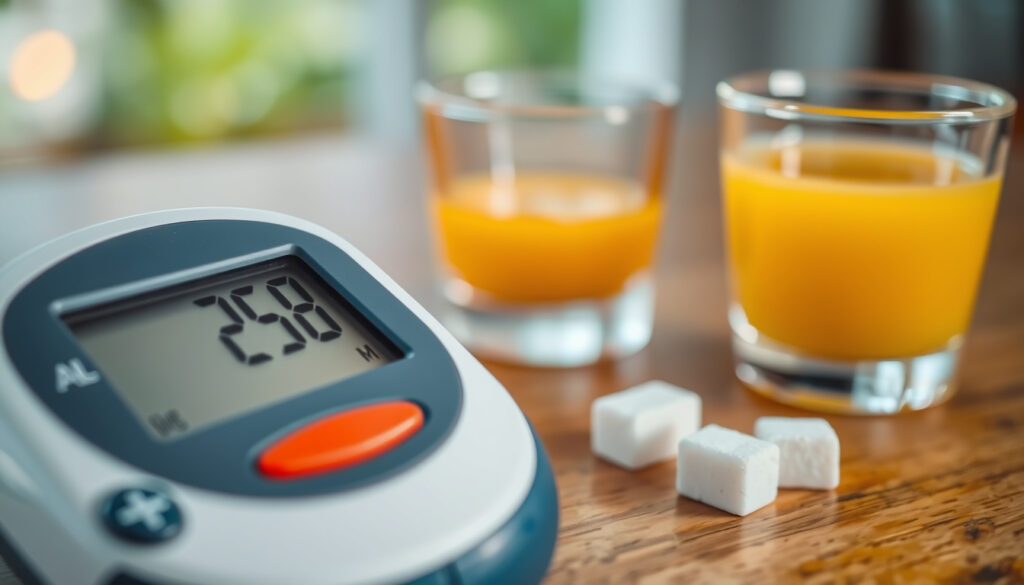
What Causes Low Blood Sugar? Causes, Symptoms, and Treatment
It can hit without warning—sudden shakiness, a racing heart, or a foggy brain that makes simple tasks feel impossible. Low blood sugar (hypoglycemia) is defined as a level below 70 mg/dL, and while it’s often linked to diabetes, anyone can experience it.
Normal fasting blood glucose level: 70–99 mg/dL ·
Hypoglycemia range: Below 70 mg/dL ·
Severe hypoglycemia threshold: Below 54 mg/dL ·
Common cause in people with diabetes: Too much insulin or missed meals ·
Common cause in people without diabetes: Reactive hypoglycemia
Quick snapshot
- Diabetes medication overdose or timing (NCBI StatPearls (medical reference))
- Skipped or delayed meals (Mayo Clinic (leading medical center))
- Intense physical activity (NCBI StatPearls (medical reference))
- Alcohol consumption (Mayo Clinic (leading medical center))
- Rare underlying conditions (liver disease, insulinoma) (MedlinePlus (U.S. National Library of Medicine))
- Shaking, sweating, and rapid heartbeat (Medical News Today (health news outlet))
- Hunger and nausea (Study.com (educational resource))
- Confusion, dizziness, and blurred vision (Mayo Clinic (leading medical center))
- Difficulty speaking or concentrating (MedlinePlus (U.S. National Library of Medicine))
- Loss of consciousness (severe) (MedlinePlus (U.S. National Library of Medicine))
- Reactive hypoglycemia after high-carb meals (NCBI StatPearls (medical reference))
- Fasting hypoglycemia (possible insulinoma) (NCBI StatPearls (medical reference))
- Caused by certain medications or critical illness (Mayo Clinic (leading medical center))
- Hormone deficiencies (cortisol, growth hormone) (NCBI StatPearls (medical reference))
- Take 15–20 grams of fast-acting carbs (Study.com (educational resource))
- Recheck after 15 minutes; repeat if needed (Mayo Clinic (leading medical center))
- Eat a balanced snack once stable (PMC Article (medical journal))
- Use glucagon or call 911 if unconscious (MedlinePlus (U.S. National Library of Medicine))
Six key facts about blood sugar levels and hypoglycemia, all drawn from authoritative medical sources:
| Label | Value |
|---|---|
| Medical term for low blood sugar | Hypoglycemia (Medical News Today (health news outlet)) |
| Normal blood glucose range | 70–100 mg/dL (NCBI StatPearls (medical reference)) |
| Hypoglycemia level | <70 mg/dL (Medical News Today (health news outlet)) |
| Severe hypoglycemia | <54 mg/dL (NCBI StatPearls (medical reference)) |
| Common cause in diabetics | Insulin overdose (CDC (U.S. public health agency)) |
| Common cause in non-diabetics | Reactive hypoglycemia (Mayo Clinic (leading medical center)) |
What causes your blood sugar levels to go low?
The reasons for a hypoglycemic episode fall into three broad buckets: medication effects, lifestyle factors, and underlying medical conditions. Here is how each one plays out.
Causes related to diabetes medication
- Taking too much insulin or oral diabetes medications can cause hypoglycemia (NHS (U.K. national health authority)).
- Injecting insulin in the same spot repeatedly can lead to uneven absorption and unexpected lows (NHS (U.K. national health authority)).
- Missed meals or delaying meals after taking insulin or sulfonylureas is a common trigger (CDC (U.S. public health agency)).
Medications designed to lower blood sugar can overshoot. The trade-off: tighter glucose control carries a built-in risk of hypoglycemia, especially when lifestyle timing shifts.
Causes related to lifestyle and diet
- Skipping meals or not eating enough carbohydrates reduces the glucose supply (Mayo Clinic (leading medical center)).
- Unplanned or intense physical activity increases glucose utilization by muscles (NCBI StatPearls (medical reference)).
- Alcohol consumption can blunt the liver’s glucose release, especially when consumed without food (Mayo Clinic (leading medical center)).
Causes related to underlying medical conditions
- Critical illnesses like kidney failure or liver disease can impair glucose production (MedlinePlus (U.S. National Library of Medicine)).
- Hormone deficiencies such as adrenal insufficiency or growth hormone deficiency disrupt glucose regulation (NCBI StatPearls (medical reference)).
- Insulinoma, a rare pancreatic tumor, overproduces insulin and causes fasting hypoglycemia (NCBI StatPearls (medical reference)).
The implication: A low blood sugar reading in a person without diabetes should prompt a deeper look—it may signal an underlying disorder that requires investigation (YouTube Medical Video (clinical education)).
What foods trigger low blood sugar?
Certain foods and drinks can provoke a sharp dip in glucose after an initial rise—especially when consumed on an empty stomach or without balanced nutrition.
High glycemic index foods
- High-sugar foods (soda, candy, white bread) can cause a rapid spike then a reactive drop in blood glucose—known as reactive hypoglycemia (Mayo Clinic (leading medical center)).
- In people with prediabetes, an exaggerated insulin response can drive glucose below baseline after a high-carb meal (Study.com (educational resource)).
Alcoholic beverages
- Alcohol, especially on an empty stomach, can lead to delayed hypoglycemia hours after drinking by blocking the liver from releasing stored glucose (Mayo Clinic (leading medical center)).
- The risk persists into the following morning, particularly after heavy drinking (NCBI StatPearls (medical reference)).
Meals with insufficient protein or fat
- Skipping meals or eating only simple carbohydrates without fiber or protein can trigger a rapid glucose drop (PMC Article (medical journal)).
- Bariatric surgery patients are especially vulnerable because of altered nutrient absorption and incretin hormone shifts (MedlinePlus (U.S. National Library of Medicine)).
What this means: For non-diabetics experiencing post-meal hypoglycemia, dietary adjustments—spacing carbs, adding protein and fat—often resolve the pattern without medication.
What deficiency causes low blood sugar?
Rarely, a deficiency in an enzyme or hormone is the root cause. These cases require targeted medical diagnosis.
Liver enzyme deficiencies
- Severe liver disease (cirrhosis, hepatitis) impairs glycogen storage and the liver’s ability to produce glucose from non-carbohydrate sources (MedlinePlus (U.S. National Library of Medicine)).
- Glycogen storage diseases, such as von Gierke disease, prevent the liver from releasing glucose into the blood (NCBI StatPearls (medical reference)).
Hormone deficiencies (cortisol, growth hormone)
- Adrenal insufficiency (Addison’s disease) reduces cortisol, a hormone that helps maintain glucose levels during stress or fasting (NCBI StatPearls (medical reference)).
- Growth hormone deficiency in children can cause fasting hypoglycemia because growth hormone counteracts insulin’s effects (Mayo Clinic (leading medical center)).
Pancreatic tumors (insulinoma)
- Insulinoma is a rare, usually benign tumor of the pancreas that secretes excess insulin, causing recurrent fasting hypoglycemia (NCBI StatPearls (medical reference)).
- Symptoms often appear after an overnight fast or during skipped meals, and diagnosis requires a supervised 72-hour fast test (YouTube Medical Video (clinical education)).
The catch: These deficiencies are uncommon, but when standard dietary and lifestyle adjustments fail to explain hypoglycemia, endocrine workup becomes essential.
What are 10 warning signs of low blood sugar?
Recognizing symptoms early can prevent progression to severe hypoglycemia. They fall into two categories: autonomic (body’s alarm) and neuroglycopenic (brain-related).
Early autonomic symptoms
- Shakiness and trembling (Mayo Clinic (leading medical center))
- Sweating, often cold and clammy (Medical News Today (health news outlet))
- Rapid or pounding heartbeat (Mayo Clinic (leading medical center))
- Intense hunger (Study.com (educational resource))
- Anxiety or nervousness (Mayo Clinic (leading medical center))
Later neuroglycopenic symptoms
- Confusion or difficulty concentrating (MedlinePlus (U.S. National Library of Medicine))
- Difficulty speaking or slurred speech (Mayo Clinic (leading medical center))
- Blurred or double vision (Medical News Today (health news outlet))
- Dizziness or lightheadedness (Study.com (educational resource))
- Weakness or fatigue (PMC Article (medical journal))
When to seek emergency care
- Loss of consciousness, seizure, or inability to swallow require immediate medical attention (MedlinePlus (U.S. National Library of Medicine)).
- A blood glucose level below 54 mg/dL is classified as severe and needs prompt treatment (NCBI StatPearls (medical reference)).
Why this matters: Many people mistake early signs for stress or a passing headache. A simple finger‑stick test can confirm the cause and guide immediate action.
Can your blood sugar get low without being diabetic?
Yes. While less common, non-diabetic hypoglycemia occurs in otherwise healthy individuals and is often underdiagnosed because its symptoms mimic other conditions (PMC Article (medical journal)).
Reactive hypoglycemia
- Reactive hypoglycemia happens 2–4 hours after meals, driven by an exaggerated insulin release (Mayo Clinic (leading medical center)).
- Common triggers: high-sugar meals, gastrointestinal surgery (gastric bypass), and prediabetes (Study.com (educational resource)).
Fasting hypoglycemia
- Fasting hypoglycemia points to a problem with the body’s ability to maintain glucose during periods without food (MedlinePlus (U.S. National Library of Medicine)).
- Possible causes include insulinoma, liver disease, kidney disease, or hormone deficiencies (NCBI StatPearls (medical reference)).
Drug-induced and illness-related causes
- Certain medications—including quinine (anti-malarial), salicylates (aspirin), beta-blockers, and ACE inhibitors—can cause hypoglycemia in susceptible people (Mayo Clinic (leading medical center)).
- Critical illnesses such as severe sepsis, liver failure, or renal failure disrupt glucose homeostasis (NCBI StatPearls (medical reference)).
The trade-off: Non-diabetic hypoglycemia is often reversible with dietary changes, but when it’s caused by an underlying condition, treating that condition is the priority.
What to do when blood sugar is low?
A step-by-step action plan can prevent a mild drop from becoming a medical emergency. The “15‑15 rule” is the standard approach taught by diabetes organizations (CDC (U.S. public health agency)).
Immediate treatment with fast-acting carbohydrates
- Consume 15–20 grams of fast-acting glucose (e.g., glucose tablets, 4 oz fruit juice, or regular soda) (Mayo Clinic (leading medical center)).
- Recheck blood sugar after 15 minutes. If still below 70 mg/dL, repeat the 15 g treatment (Medical News Today (health news outlet)).
- Once glucose returns to normal, eat a balanced meal or snack with protein and complex carbs to prevent another drop (PMC Article (medical journal)).
Follow-up steps to prevent recurrence
- Identify and address the trigger—did you skip a meal, exercise unusually, or take too much medication? (NHS (U.K. national health authority))
- For recurrent episodes, keep a log of meals, activity, and symptoms to share with your healthcare provider (Mayo Clinic (leading medical center)).
Emergency situations and glucagon use
- If the person is unconscious, cannot swallow, or having a seizure, do not give anything by mouth—call 911 immediately (MedlinePlus (U.S. National Library of Medicine)).
- Glucagon can be administered via nasal spray or injection and works within minutes to raise blood glucose (MedlinePlus (U.S. National Library of Medicine)).
Severe hypoglycemia (below 54 mg/dL) can escalate in minutes. For people with diabetes, family members and coworkers should know where the glucagon kit is kept and how to use it. For non‑diabetics with recurrent severe episodes, a full endocrine workup is needed.
The takeaway: Quick action with fast‑acting carbs resolves most episodes. But if you need glucagon or EMS, it means the underlying cause is serious—don’t skip follow‑up care.
Confirmed facts
- Low blood sugar can occur in people with and without diabetes (MedlinePlus (U.S. National Library of Medicine)).
- Common symptoms include sweating, shaking, and confusion (Mayo Clinic (leading medical center)).
- Immediate treatment involves fast‑acting carbohydrates (CDC (U.S. public health agency)).
What’s unclear
- The exact prevalence of non‑diabetic hypoglycemia in the general population (PMC Article (medical journal)).
- Whether mild repeated hypoglycemia causes long‑term cognitive damage (NCBI StatPearls (medical reference)).
“Common causes of low blood sugar in people with diabetes include taking too much insulin, injecting in the same spot repeatedly, missing or delaying meals, or unplanned physical activity.”
NHS (U.K. national health authority)
“Hypoglycemia happens when the level of sugar (glucose) in your blood drops below the range that’s healthy for you.”
“Causes of hypoglycemia in diabetes include taking too much insulin, not eating enough carbohydrates, and timing of insulin.”
CDC (U.S. public health agency)
Low blood sugar is a treatable signal, not a life sentence. For people with diabetes, the key is balancing medication, meals, and activity. For those without diabetes, persistent drops should prompt a conversation with a doctor to rule out reactive or fasting hypoglycemia—and to address the root cause. Either way, the pattern is clear: when you know what’s driving the lows, you can stay ahead of them.
Related reading: What Does Ozempic Do? Weight Loss, Results & Side Effects · How Many Calories to Lose Weight – Safe Deficit Guide
Frequently asked questions
Can low blood sugar cause seizures?
Yes. Severe hypoglycemia (below 54 mg/dL) can trigger seizures because the brain lacks glucose for normal function. This is a medical emergency requiring glucagon or immediate hospital care (MedlinePlus (U.S. National Library of Medicine)).
Can stress cause low blood sugar?
Stress typically raises blood sugar due to cortisol and adrenaline release. However, some people experience a delayed drop after a stressful event, especially if they haven’t eaten. It’s not a direct cause but can indirectly contribute (Mayo Clinic (leading medical center)).
Is low blood sugar more common in type 1 or type 2 diabetes?
Hypoglycemia is more common in type 1 diabetes because these individuals rely on exogenous insulin and have lost the ability to produce their own. People with type 2 diabetes on insulin or sulfonylureas also experience it, but with lower overall frequency (NHS (U.K. national health authority)).
Does alcohol lower blood sugar?
Yes. Alcohol, especially when consumed without food, inhibits the liver from releasing stored glucose, leading to a drop that can occur hours later—often during sleep. This is especially dangerous for people on insulin or sulfonylureas (Mayo Clinic (leading medical center)).
Can low blood sugar cause weight gain?
Not directly. But treating recurring lows often requires extra calories, which can lead to weight gain over time. The underlying cause—such as excessive insulin dosing—may also promote weight gain (NCBI StatPearls (medical reference)).
What is the difference between hypoglycemia and hyperglycemia?
Hypoglycemia means low blood sugar (below 70 mg/dL). Hyperglycemia means high blood sugar (above 130 mg/dL fasting, or above 180 mg/dL after meals). Symptoms of hyperglycemia include frequent urination, thirst, and blurred vision, while hypoglycemia presents with shakiness, sweating, and confusion (CDC (U.S. public health agency)).
How long does it take to recover from hypoglycemia?
With 15–20 grams of fast‑acting carbs, blood sugar typically rises within 10–15 minutes. Full symptom relief may take from 15 minutes to an hour. After the initial recovery, eating a balanced meal helps maintain stability. Severe episodes requiring glucagon may need longer observation (Medical News Today (health news outlet)).
More related posts
 Ted Lasso Season 4: Confirmed Release Date, Cast & News
 Can Cats Eat Chocolate? Toxicity Risks & Vet Advice
 What Is a Mocktail? Definition, Top Examples & Recipes
 Megan Thee Stallion Mamushi – Lyrics Meaning Yuki Chiba Feature
 Yamaha Dealer Near Me: Ireland & Dublin Locator Guide
 Pee-wee’s Big Adventure: Parents Guide, Streaming & Scandal
 Fast and Furious Tokyo Drift: Where to Watch, Cast, and Is It a Hit
 How to Copy and Paste on Any Device: Step-by-Step Guide (2025)