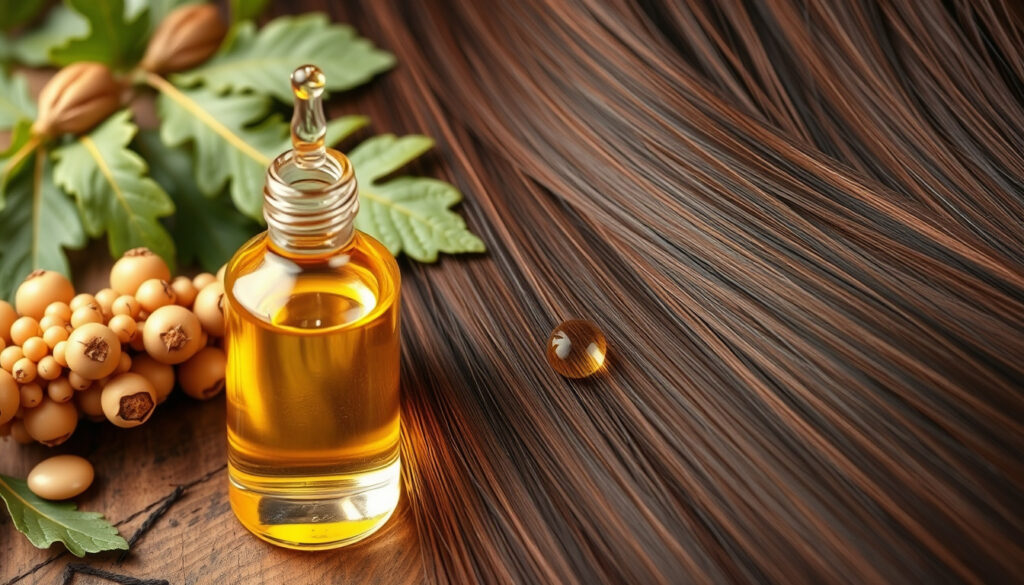
Castor Oil for Hair – Does It Promote Growth and Thickness
Castor Oil for Hair: Does It Work for Growth & Thickness?
Castor oil has become a staple in many hair care routines, promoted as a natural solution for thicker, longer hair. Extracted from castor beans, this thick, viscous oil contains ricinoleic acid, a fatty acid that makes up approximately 90% of its composition. While countless videos and testimonials claim impressive results, the scientific evidence behind castor oil’s effectiveness for hair growth remains limited. Understanding both its potential benefits and documented risks helps consumers make informed decisions about incorporating this product into their hair care regimen.
The popularity of castor oil for hair stems largely from its rich nutritional profile and centuries of traditional use. Manufacturers market it for everything from stimulating growth to preventing hair loss, yet dermatologists urge caution. The thick consistency that makes castor oil nourishing also creates challenges for application and removal, potentially leading to buildup and scalp irritation when used improperly.
This guide examines what research actually shows about castor oil’s effects on hair, how to apply it correctly, what results users might expect, and which precautions deserve attention before adding it to your routine.
Does Castor Oil Help Hair Grow?
The central question driving most interest in castor oil for hair concerns its ability to promote growth. Manufacturers and advocates point to ricinoleic acid as the key compound responsible for potential benefits. This fatty acid may dilate blood vessels when applied to the scalp, theoretically improving blood circulation and nutrient delivery to hair follicles. Some researchers have studied this mechanism in relation to androgenetic alopecia, though direct evidence connecting castor oil application to measurable hair growth remains sparse.
According to dermatologists quoted in health publications, castor oil does demonstrate certain properties that support overall hair and scalp health. The oil can nourish dry, brittle strands, stimulate minor circulation improvements, and offer protection against oxidative stress from environmental factors like UV radiation and pollution. These benefits appear most pronounced for individuals with dry or curly hair types that benefit from heavy moisturization.
No PubMed or NCBI studies directly confirm that castor oil promotes hair growth. WebMD explicitly states that no scientific evidence backs claims that castor oil grows hair or treats dandruff. One documented case links castor oil to acute hair felting—a rare condition where hair tangles into a hard mass—rather than growth stimulation.
Moisturizing, shine enhancement, reduced breakage
30 minutes to overnight
1-2 times per week maximum
Dry, curly, or brittle hair types
Key insights from available research:
- Ricinoleic acid may improve scalp circulation but this effect remains unproven for hair growth specifically
- Anecdotal reports and user videos claim thicker, longer hair with regular root application
- Castor oil excels at moisturizing dry scalps and reducing frizz on curly hair
- The thick texture provides a protective barrier but can cause buildup if not rinsed thoroughly
- Dermatologists recommend castor oil primarily for maintenance rather than active growth stimulation
- No controlled clinical trials demonstrate castor oil’s superiority over established treatments like minoxidil
| Attribute | Details | Evidence Level |
|---|---|---|
| Primary active ingredient | Ricinoleic acid (~90%) | Confirmed |
| Hair growth promotion | Theoretical mechanism only | Low/ anecdotal |
| Moisturizing properties | Documented effectiveness | Moderate |
| Shine improvement | User-reported benefits | Moderate |
| Breakage reduction | Associated with moisturizing | Moderate |
How Do You Apply Castor Oil to Hair?
Proper application technique significantly impacts both the benefits experienced and the likelihood of adverse effects. The thick consistency of castor oil presents challenges that require careful handling. Most sources recommend diluting pure castor oil with lighter carrier oils to improve spreadability and facilitate easier removal during washing.
Basic Application Steps
Begin by warming the oil slightly to reduce viscosity. Pour a small amount—typically one to two teaspoons—into your palms and rub hands together. For scalp application, part your hair in sections and apply directly to the scalp, massaging gently in circular motions to encourage circulation. Work the oil through the lengths of your hair if you’re targeting overall hydration.
Mixing castor oil with cold pressed coconut oil represents a common and effective approach. Coconut oil penetrates the hair shaft more readily than castor oil and helps counteract the heavy residue that castor oil leaves behind. A typical ratio involves two parts castor oil to one part coconut oil.
Leave-In Time and Removal
The duration of application varies based on individual tolerance and hair type. Options range from thirty minutes for a lighter treatment to overnight for intensive moisturizing. Those with sensitive scalps should start with shorter intervals to assess their reaction. Removal requires thorough shampooing, often with two washes to eliminate residue completely. Inadequate rinsing contributes significantly to the buildup issues many users report.
Most dermatologists and hair care professionals recommend limiting application to once or twice weekly. Individuals with oily scalps should extend intervals to every two weeks or avoid castor oil entirely. Overapplication commonly leads to greasiness, clogged pores, and potential folliculitis.
Patch testing before full application helps identify allergic reactions or sensitivity. Apply a small amount of diluted oil behind your ear or on your inner elbow and wait twenty-four hours to observe any adverse response. According to dermatologists quoted in health coverage, this precaution proves especially important for individuals with histories of skin sensitivity or contact dermatitis.
What Are the Best Castor Oil Hair Masks?
Hair masks incorporating castor oil combine its moisturizing properties with complementary ingredients that enhance specific benefits. Several recipes have gained popularity based on their perceived effectiveness, though controlled studies on these combinations remain limited.
Hydrating Castor Oil and Coconut Mask
This basic yet effective mask targets dryness and brittleness. Combine two tablespoons of castor oil with one tablespoon of coconut oil and one teaspoon of honey. Warm the mixture until it reaches a comfortable temperature, then apply to damp hair focusing on the scalp and ends. Cover your hair with a shower cap or warm towel and allow the treatment to penetrate for approximately one hour before washing thoroughly.
Jamaican Black Castor Oil Considerations
Jamaican black castor oil undergoes a distinct processing method involving ash-roasting of the beans, which gives it a darker color and ash content. Manufacturers claim this variant offers higher alkalinity and increased potency for growth stimulation. However, no unique scientific studies demonstrate advantages over regular castor oil. Both varieties contain ricinoleic acid, and the benefits and risks appear similar between them.
Application for Eyelashes and Thinning Areas
Some users apply diluted castor oil to eyelashes, believing it promotes lash growth and thickness. The oil may provide conditioning benefits that improve lash appearance, but no evidence confirms actual growth stimulation. For those choosing to try this application, extreme dilution proves essential, and a clean mascara wand offers the most controlled delivery method.
For thinning hair concerns, castor oil can improve moisture levels and temporarily give the appearance of thicker strands through coating effects. However, it does not regenerate follicles or address the underlying causes of hair loss. Individuals experiencing significant thinning should consult healthcare providers rather than relying solely on topical oils.
Are There Side Effects of Using Castor Oil for Hair?
While castor oil offers genuine benefits for certain hair types, the documented side effects warrant serious consideration. The very properties that make it effective—its thickness and occlusive nature—also create the conditions for adverse reactions when used improperly or by unsuitable candidates.
Castor oil may cause scalp irritation, itching, and allergic dermatitis including rash, swelling, and discomfort. Those with conditions such as seborrheic dermatitis, psoriasis, eczema, or fungal dandruff should avoid castor oil entirely. The FDA recognizes castor oil as safe for cosmetic use, but individual reactions vary significantly.
| Side Effect | Primary Cause | Who Faces Higher Risk |
|---|---|---|
| Buildup and greasiness | Thick texture difficult to rinse | Oily or fine hair types |
| Scalp irritation and itching | Traps sweat and sebum | Sensitive scalps |
| Temporary shedding | Mechanical stress on fragile hairs | Those with thinning hair |
| Hair felting (rare) | Excessive tangling | First-time heavy users |
| Acne and folliculitis | Pore blockage | Acne-prone individuals |
Hair felting represents a particularly unusual but documented complication. According to case reports published in dermatological literature, this condition occurs when excessive castor oil causes hair to tangle into a solid, matted mass. One case documented in PubMed Central describes acute hair felting following first-time use of castor oil on hair.
Dermatologists consistently advise that less proves more when using castor oil. Starting with minimal amounts, maintaining adequate washing intervals, and observing how your scalp responds helps minimize risks. Individuals with naturally oily hair or scalps should approach castor oil with particular caution, as the heavy occlusion can exacerbate grease buildup and potentially lead to folliculitis.
Timeline and Expected Results
Setting realistic expectations proves essential for anyone considering castor oil for hair improvement. The available evidence, consisting primarily of anecdotal reports rather than controlled studies, suggests a general timeline that users commonly experience.
- Week 1-2: Improved shine and moisture become apparent. Hair may feel softer and more manageable immediately after application.
- Month 1: Some users report perceived increases in hair thickness, though this may reflect improved moisture rather than new growth. Initial shedding sometimes occurs during this period.
- Months 2-3: Continued moisturizing benefits. Any visible growth would likely manifest during this window, though scientific confirmation remains absent.
- Long-term: Benefits plateau without evidence of continued growth stimulation. Buildup issues may emerge if frequency exceeds recommendations.
The absence of standardized clinical data means individual experiences vary substantially. Some users report thicker-looking hair within weeks, while others notice no difference beyond basic moisturization. Online testimonials and before-and-after videos circulating on platforms like YouTube show mixed results, with positive reviews typically emphasizing shine and hydration while complaints center on greasiness and perceived lack of growth.
It bears emphasis that no controlled before-and-after photographic studies exist in peer-reviewed literature. All visible improvements in thickness or length likely reflect moisture-related plumping or styling effects rather than actual follicle stimulation.
What Science Confirms Versus What Remains Unclear
Separating established facts from speculation helps consumers make informed choices. Available research supports certain uses while leaving other claims unverified or directly contradicted.
What Research Supports
- Moisturizing dry, brittle, or curly hair
- Reducing frizz and improving shine
- Protecting against environmental oxidative stress
- Conditioning eyelashes (unproven for growth)
- Safe dilution when mixed with carrier oils
What Science Does Not Confirm
- Direct promotion of hair growth
- Treatment of androgenetic alopecia
- Superiority over minoxidil or other treatments
- Reliable timeline for visible results
- Dandruff treatment claims
The mechanism by which castor oil supposedly stimulates growth—improved circulation through ricinoleic acid—remains theoretical. No clinical trials have validated this pathway for hair-specific applications. In contrast, minoxidil, the FDA-approved treatment for pattern hair loss, has undergone extensive clinical testing demonstrating consistent results across multiple studies.
The Science Behind Castor Oil and Scalp Health
Understanding the biochemical properties of castor oil provides context for both its potential benefits and documented limitations. The oil consists primarily of ricinoleic acid, a monounsaturated fatty acid with anti-inflammatory properties in laboratory settings.
Research examining ricinoleic acid’s effects suggests it may influence prostaglandin pathways and exhibit antimicrobial properties. These characteristics could theoretically support scalp health by reducing inflammatory responses and creating a less hospitable environment for certain microorganisms. However, translating these laboratory observations into proven hair growth benefits requires clinical evidence that has not yet materialized.
The anti-inflammatory potential of ricinoleic acid contrasts with reports of castor oil causing irritation in some users. This apparent contradiction likely reflects individual sensitivity variations and the importance of proper dilution. Highly concentrated applications may overwhelm the scalp’s natural defenses regardless of any inherent anti-inflammatory properties.
Scalp type significantly influences outcomes. Dry, flaky scalps may benefit from castor oil’s occlusive moisture-trapping effects, while oily scalps accumulate excess grease and experience pore-related complications. The WebMD coverage of castor oil for hair emphasizes that no scientific evidence supports claims about treating dandruff, contradicting popular belief.
Expert Perspectives on Castor Oil Use
Dermatologists and hair care professionals offer measured assessments of castor oil’s place in hair care routines. Their views consistently emphasize realistic expectations and appropriate use cases.
“Castor oil works well for moisturizing dry, curly hair and improving shine, but claims about hair growth lack scientific backing. It should not replace treatments with proven efficacy for thinning hair.”
— Dermatologists quoted in Prevention health coverage
Healthcare providers who treat hair loss conditions generally reserve castor oil for supportive moisture applications rather than active growth stimulation. The consensus acknowledges that while castor oil poses minimal risks when used appropriately, relying on it as a primary treatment for significant hair loss may delay evidence-based interventions.
Comparisons between castor oil and minoxidil reveal fundamental differences in evidence levels. Minoxidil functions as an FDA-approved vasodilator with documented ability to stimulate follicles in cases of androgenetic alopecia. Castor oil lacks this regulatory approval and peer-reviewed evidence for growth purposes. The two should not be considered interchangeable, and individuals with diagnosed hair loss conditions should prioritize clinically validated treatments.
Final Recommendations
Castor oil can serve as a beneficial moisturizing treatment for appropriate hair types when used with appropriate precautions. Dry, curly, or brittle hair may see improvements in manageability, shine, and breakages through regular but limited application. The key lies in recognizing what castor oil can and cannot accomplish.
Those considering castor oil should begin with a patch test, dilute with carrier oils for easier removal, limit applications to once or twice weekly, and discontinue use if irritation develops. Individuals with oily scalps, sensitivity conditions, or significant hair loss should consult healthcare providers before incorporating castor oil into their routines.
For readers interested in broader hair care approaches, exploring natural oil comparisons and holistic wellness strategies may provide additional context for comprehensive hair health maintenance.
Frequently Asked Questions
Does castor oil work for eyelashes too?
Castor oil may condition eyelashes and improve their appearance through moisturization, but no scientific evidence confirms it stimulates lash growth. If using on lashes, dilute heavily and apply with a clean mascara wand.
How long does it take for castor oil to grow hair?
No standardized timeline exists because no clinical evidence confirms castor oil actually grows hair. Anecdotal reports of thicker-looking hair appear within weeks, but these likely reflect moisturization rather than new growth.
Can I leave castor oil in my hair overnight?
Yes, overnight application is common and generally safe for those without sensitive scalps. However, thorough washing with shampoo twice afterward is essential to prevent buildup.
Is Jamaican black castor oil better for hair than regular castor oil?
No scientific studies demonstrate unique benefits for Jamaican black castor oil over regular castor oil. Both contain ricinoleic acid and carry similar benefits and risks.
Can castor oil cause hair loss?
Castor oil may cause temporary shedding in some users, particularly those with already thinning hair. The weight of the oil can stress fragile follicles, and inadequate removal leads to buildup that may worsen scalp health.
How often should I use castor oil on my hair?
Most recommendations suggest one to two applications weekly maximum. Those with oily scalps should limit use to every two weeks or avoid castor oil entirely.
Can I use castor oil if I have a sensitive scalp?
Individuals with sensitive scalps should exercise extreme caution. Always perform a patch test first and start with highly diluted applications. Discontinue use if any irritation, itching, or redness occurs.
More related posts
 Hayden Christensen Movies and TV Shows: Complete Filmography
 LA Clippers vs Orlando Magic Match Player Stats – Box Score & Top Scorers
 New Samsung Phone 2025: Galaxy S25 Ultra vs S26 Ultra Rumors
 Black Panther (film): Cast, Boseman’s Health & Box Office Facts
 Ca t of Red One Film: Full Li t of Actor and Character
 The Charlie Kirk Show: Reality, Host, Faith & Schedule
 Pdf Editor Online Free – Best No Watermark Tools 2025
 Planet Fitness Near Me: Locations, Hours & Rules in Ireland