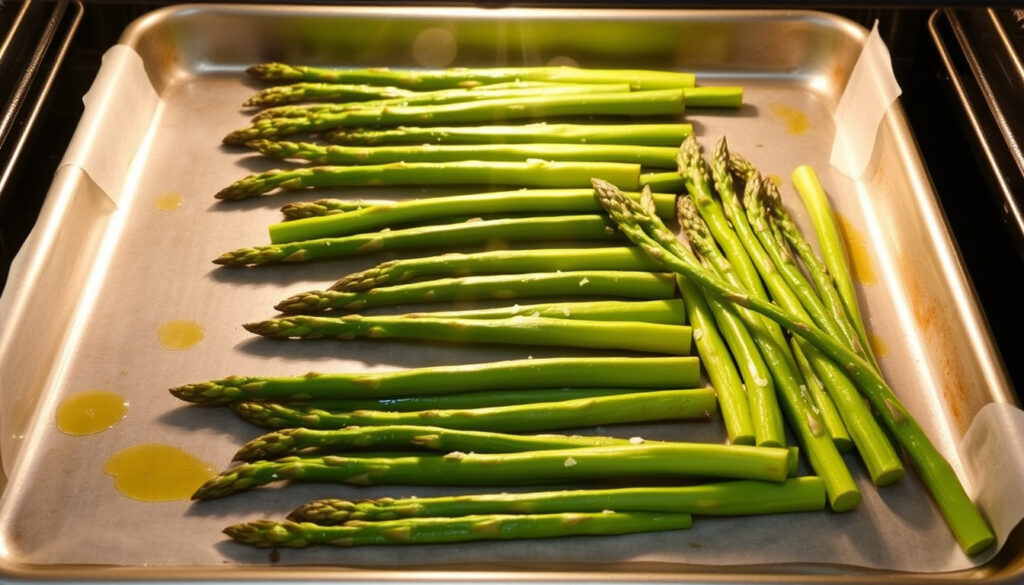
How to Roast Asparagus in the Oven: A Complete Guide
Anyone who has ever pulled a tray of limp, watery asparagus out of the oven knows the disappointment. The good news is that the difference between sad stalks and brilliantly crisp-tender spears comes down to a few science-backed choices—starting with temperature, and this guide walks through exactly how to nail roasted asparagus every time, with timing, technique, and troubleshooting you can actually use.
Ideal oven temperature: 425°F (220°C) ·
Typical roasting time: 12–15 minutes ·
Asparagus thickness range: ¼–½ inch diameter ·
Oil per pound: 1–2 tablespoons olive oil ·
Recommended internal doneness: Tender but still bright green
Quick snapshot
- 425°F is the most recommended temperature for crisp-tender results (Love and Lemons)
- Thicker spears require more time; thin spears may finish in 8–10 minutes (Cookie and Kate)
- Doneness is defined by fork-tender stalks, not a fixed minute count (Allrecipes)
- Exact optimal time for each thickness at varying temperatures is not consistently reported
- Whether foil wrapping produces better or worse texture than open roasting is debated
- The effect of marinating before roasting on final texture is not well documented
- Preheat oven to 425°F: 5–10 minutes
- Prep asparagus (wash, trim, dry): 2–3 minutes
- Roast: 8–15 minutes depending on thickness
- Total active time: about 15 minutes
- Serve immediately with lemon zest, Parmesan, or balsamic glaze (The Kitchn)
- Reheat in a 425°F oven—not a microwave (The Kitchn)
- Use leftovers in salads, frittatas, or pasta dishes (The Kitchn)
Five temperature-and-thickness pairs, one pattern: thinner spears finish faster at higher heat, while thicker stalks need a slightly longer window to turn tender without going limp.
| Label | Value |
|---|---|
| Ideal oven temperature | 425°F (220°C) |
| Cook time at 425°F | 8–15 minutes depending on thickness |
| Thickness effect | Thin spears (~¼ in) cook faster than thick spears (~½ in) |
| Oil needed per pound | 1–2 tablespoons |
| Signs of doneness | Bright green, tender when pierced with a fork, slight charring |
How long does asparagus need to be in the oven?
Roasting at 425°F
- Thin spears (pencil-thin, ~¼ inch): 8–10 minutes (Love and Lemons)
- Medium spears (~⅓ inch): 10–12 minutes (JoyFoodSunshine)
- Thick spears (~½ inch): 12–15 minutes, up to 20 minutes for very thick stalks (Cookie and Kate)
At 425°F, high heat evaporates surface moisture quickly, which is why this temperature is the most common recommendation across tested recipes. The Pioneer Woman notes that asparagus only needs about 10 minutes at this heat; longer can make it limp. Allrecipes puts the window at 12–15 minutes. The divergence reflects spear thickness—a variable no single recipe can fully standardize.
The catch: thicker spears need a slightly longer window to turn tender without going limp, so checking early prevents overcooking.
Home cooks who check at 8 minutes for thin spears and at 12 minutes for thick spears will catch the ideal window before texture declines. Waiting until 15 minutes without checking is the fastest route to mushy asparagus.
Baking at 400°F
- Thin spears: 8–11 minutes (Wholesome Yum)
- Average stalks: 12–15 minutes
- Thick stalks: 16–20 minutes
The 400°F zone is a solid middle ground—still hot enough to caramelize sugars but slightly more forgiving if you walk away for a minute. Delish Knowledge recommends 10 minutes for thin asparagus and 15–18 minutes for thicker spears at this temperature. The trade-off: you gain a small margin of error but lose a bit of the surface char that makes high-heat roasting so satisfying.
Cooking at 350°F
- Thin to medium spears: 15–20 minutes
- Thick spears: 20–30 minutes
At 350°F, asparagus cooks more gently. Some user-shared guidance reports times around 20–30 minutes, but the risk of sogginess increases because lower heat does not evaporate moisture as efficiently. The Mountain Kitchen suggests that extra-crispy tips can be achieved by going up to 425°F and reducing time by 2–3 minutes versus 400°F—a clear signal that higher heat matters for texture.
Low-heat option at 180°C (350°F)
- Equivalent to 350°F, timing varies by thickness
- Best for very thick spears that need gentle cooking through
A 180°C oven (350°F) is the same as the 350°F setting above—just expressed in metric. The same timing and moisture considerations apply. This setting is useful when you are roasting asparagus alongside other vegetables that need a lower temperature, such as potatoes or root vegetables.
The implication: temperature choice is a direct trade-off between speed and texture. Higher heat delivers crisp results faster; lower heat demands patience and risks sogginess. Matching the temperature to the spear thickness is the single most effective move you can make.
How to cook asparagus in the oven so it’s not soggy?
Prevent sogginess with high heat
- 425°F is the threshold where moisture evaporates faster than it accumulates (Love and Lemons)
- At 350°F, moisture lingers, increasing the chance of limp stalks
Water is the enemy of crisp texture. When asparagus sits in a 350°F oven, the internal water heats up and steams the spear from the inside. At 425°F, that same water turns to vapor and escapes before it can soften the cell walls. Cookie and Kate describes 425°F as the perfect temperature for crisp-tender, lightly caramelized asparagus.
Avoid overcrowding the pan
- Spears need a single layer with space between them
- Crowded spears trap steam, leading to uneven cooking and sogginess
When spears overlap, the moisture they release has nowhere to go. It pools between stalks, creating a localized steam bath. The difference between a crowded pan and a well-spaced one is the difference between steamed and roasted results. Use the largest sheet pan you have—half-sheet size works well—and arrange spears so they are not touching.
Pat dry before roasting
- Excess water from washing causes steaming instead of roasting
- Use a clean kitchen towel or paper towels to dry thoroughly
Washing asparagus is essential, but the water left on the surface will turn to steam in the oven. A quick pat-down removes that residual moisture. Tori Avey recommends drying spears and coating them lightly with olive oil before roasting—a step that simultaneously protects against moisture and helps browning.
Use a wire rack for airflow
- A wire rack set inside a sheet pan allows hot air to circulate under the spears
- Promotes even browning and prevents the underside from steaming
Placing asparagus directly on a sheet pan means the bottom surface sits against hot metal. Moisture can pool underneath. A wire rack lifts the spears, letting air flow all around them. The result is more uniform browning and a crisper exterior. This is a restaurant trick that translates well to a home kitchen.
A home cook who combines high heat, a single layer, dry spears, and a wire rack eliminates the three main causes of sogginess simultaneously. Each factor alone helps; all four together transform the outcome.
Step-by-step roasting guide
- Preheat oven to 425°F (Love and Lemons).
- Wash asparagus and snap or cut off the woody ends (about 1–2 inches from the bottom).
- Pat dry thoroughly with a towel, then toss with 1–2 tablespoons olive oil, salt, and pepper (Tori Avey).
- Arrange in a single layer on a sheet pan or a wire rack set inside a sheet pan, ensuring spears are not touching (Cookie and Kate).
- Roast for 8–15 minutes, checking for doneness starting at 8 minutes for thin spears and 12 minutes for thick spears (Allrecipes). Asparagus is done when a fork pierces the thickest part with light resistance.
How to make the best baked asparagus?
Classic olive oil and salt
- Toss asparagus with olive oil, salt, and pepper before roasting
- Use 1–2 tablespoons of oil per pound of asparagus
The simplest preparation is often the most reliable. Olive oil helps transfer heat evenly, salt draws out just enough moisture to concentrate flavor, and pepper adds a mild kick. The key is to toss well so every spear is evenly coated.
Garlic butter version
- Melt butter with minced garlic and drizzle over spears before roasting
- Garlic browns during roasting, adding a nutty, savory note
Butter brings a richness that olive oil cannot match, but it also has a lower smoke point. Combining butter with a little olive oil raises the smoke point while preserving the flavor. Minced garlic scattered over the spears will caramelize in the oven, creating tiny pockets of concentrated flavor. Watch the garlic closely—it can burn in the last 2–3 minutes if the oven runs hot.
Parmesan-crusted asparagus
- Add grated Parmesan in the last 3 minutes of roasting for a crispy crust
- Panko breadcrumbs mixed with Parmesan add extra crunch
Parmesan melts and browns quickly, so adding it too early can lead to a burnt, bitter crust. Sprinkle it over the spears during the final 3 minutes of roasting—just enough time for the cheese to crisp without burning. For a heartier crust, mix equal parts Parmesan and panko breadcrumbs with a drizzle of olive oil.
Lemon and herb variations
- Lemon juice and fresh herbs like thyme or parsley brighten the flavor
- Add lemon zest before roasting, juice after roasting to preserve acidity
Acid cuts through the richness of oil or butter and complements asparagus’s natural bitterness. Thyme, rosemary, and parsley are the most common herb pairings. A squeeze of lemon juice right before serving keeps the flavor bright—adding it earlier can dull the acidity and make the asparagus taste cooked rather than fresh.
The pattern: simple preparations with fresh ingredients outperform complex sauces for roasted asparagus.
Can you cook asparagus in tin foil in the oven?
Foil packet method
- Wrap asparagus in a foil packet with oil and seasonings
- Seal the packet tightly to trap steam and heat
Foil packets are convenient—they contain the seasoning, minimize cleanup, and keep the asparagus moist. The method works well for a softer, more steamed texture. However, the same trapped steam that keeps the asparagus moist also prevents browning and caramelization. If you prefer a firm bite with charred edges, the foil packet is working against you.
Pros and cons of foil
- Pro: easy cleanup, contained seasoning, less risk of drying out
- Con: traps steam, reduces browning, can lead to a softer texture
The debate over foil versus open roasting comes down to texture preference. For tender, almost steamed asparagus, foil is a fine choice. For crisp-tender results with visible char, an open pan is better. Whether foil wrapping produces better or worse texture than open roasting is one of the most commonly debated questions in home cooking forums.
Alternatives to foil
- Parchment paper reduces sticking without trapping steam
- An open roasting pan or sheet pan allows moisture to escape
- A wire rack on a sheet pan promotes airflow and even browning
Parchment paper is a middle ground—it prevents sticking and makes cleanup easier, but unlike foil, it does not create a sealed environment. For the crispiest results, skip both foil and parchment and roast directly on a sheet pan or wire rack. The trade-off: foil packets trade texture for convenience. Home cooks who value texture should choose an open roasting method; those who prioritize cleanup and softness will prefer foil.
What are some common mistakes when roasting asparagus?
Skipping the woody ends
- Always snap or cut off the tough woody ends (about 1–2 inches from bottom)
- The natural breaking point is where the spear snaps easily—use that as a guide
The bottom of an asparagus spear is fibrous and woody, not pleasant to eat. Biting into a woody end is one of the most common complaints about poorly prepared asparagus. The simplest method: hold a spear at both ends and bend gently until it snaps. The breaking point naturally separates the tender part from the woody part. Trim the rest of the bunch to match.
Underseasoning
- Asparagus can be bland without enough salt and fat
- Season generously; the flavor should be noticeable before roasting
Asparagus has a mild flavor that needs salt to emerge. Without enough salt, the vegetable tastes flat. Fat—olive oil, butter, or both—carries the seasoning and helps with browning. A light sprinkle of salt and a drizzle of oil are the minimum; most recipes benefit from a more generous hand.
Overcooking
- Overcooking leads to mushy texture; remove from oven as soon as tender
- Check for doneness early—start around 8 minutes for thinner stalks (Tori Avey)
The window between perfectly tender and mushy is narrow. Asparagus continues to cook from residual heat after it leaves the oven, so pulling it a minute early is safer than a minute late. A fork should pierce the thickest part of the spear with light resistance, but the spear should still hold its shape.
Using too much oil
- Too much oil causes sogginess; use just enough to coat lightly
- 1–2 tablespoons per pound is the standard range
Oil is essential for heat transfer and flavor, but excess oil pools on the sheet pan and creates a shallow fry effect rather than a roast. The spears should glisten, not swim. If you see oil pooling at the bottom of the pan, you have used too much.
Most home cooks make at least two of these mistakes in a single attempt. The most common combination: skipping the woody ends and using too much oil. Fixing both at once eliminates the two biggest sources of a disappointing result.
Confirmed facts
- 425°F is the most common recommended temperature for roasting asparagus (Love and Lemons)
- Asparagus should be roasted until tender but still bright green, about 12 minutes at 425°F (Allrecipes)
- Thicker spears need more time than thin spears (Cookie and Kate)
What’s unclear
- Exact optimal time for each thickness at varying temperatures is not consistently reported
- Whether foil wrapping produces better or worse texture than open roasting is debated
- The effect of marinating before roasting on final texture is not well documented
What the experts say
Roasting at 425°F for 12 minutes until tender is the sweet spot.
Asparagus is perfectly roasted after about 12 to 15 minutes in a 425°F oven.
— Allrecipes
At 425°F, asparagus only needs about 10 minutes; longer can make it limp.
The three sources agree on the temperature but diverge on timing by 2–5 minutes, which reflects real-world variance in spear thickness and oven calibration. The consensus: 425°F is the right heat, and the right time is however long it takes for a fork to slide through with slight resistance.
For the home cook, the choice is clear: invest in a reliable oven thermometer, check the thickness of your spears, and start testing at 8 minutes. The difference between 10 minutes and 15 minutes is the difference between a bright green, snappy side dish and a dull, limp one. Nail that window, and you have mastered roasted asparagus.
joyfoodsunshine.com, slice-of-heaven.com, cookieandkate.com, knowyourproduce.com
For a broader overview of preparation methods, including steaming and grilling, see this asparagus cooking guide.
Frequently asked questions
Do I need to peel asparagus before roasting?
No. Peeling is not necessary for thin or medium spears. Very thick spears (more than ½ inch in diameter) may benefit from peeling the lower third, but it is entirely optional.
Can I use frozen asparagus for roasting?
Yes, but expect a softer texture. Frozen asparagus releases more water during cooking, which makes it harder to achieve crisp-tender results. Pat it dry thoroughly before roasting and use the highest temperature setting.
Should I snap or cut the ends off asparagus?
Snapping is the traditional method—bend each spear until it breaks naturally at the woody point. Cutting works just as well if you trim about 1–2 inches from the bottom. Either method is fine; the goal is to remove the fibrous part.
How do I know when asparagus is done roasting?
A fork should pierce the thickest part of the spear with light resistance. The spear should be bright green and hold its shape when lifted. If it bends limply, it is overcooked.
Can I roast asparagus with other vegetables?
Yes, but pair it with vegetables that have similar cooking times. Cherry tomatoes, bell peppers, and zucchini work well. Root vegetables like potatoes or carrots need more time and should be started earlier.
Is it better to roast asparagus on a sheet pan or a wire rack?
A wire rack promotes better airflow and more even browning. A sheet pan works fine but may cause the underside to steam slightly. For the crispiest results, use a wire rack set inside a sheet pan.
How do I reheat leftover roasted asparagus?
Reheat in a 425°F oven for 3–5 minutes. Avoid the microwave, which will make the asparagus soggy. The Kitchn advises against microwaving roasted asparagus for this reason.
For more cooking inspiration, check out our guide on How to Make Garlic Bread and our overview of What Is a Mocktail?
More related posts
 Are Grapes Bad for Dogs – Toxicity Risks Symptoms Emergency Guide
 32 oz to Cups: Complete Liquid vs Dry Conversion Guide
 Anyone But You Cast: Full List of Actors and Characters
 Memphis Grizzlies vs Utah Jazz Match Player Stats – Box Scores & Top Scorers
 Top News Stories Today: Latest Headlines & Breaking News
 Where to Watch Invincible: Prime Video Streaming Guide
 Baby Chief Do It: Real Name, Age & Kanye Link
 Manchester City FC: History, Titles, Stadium & Live Matches