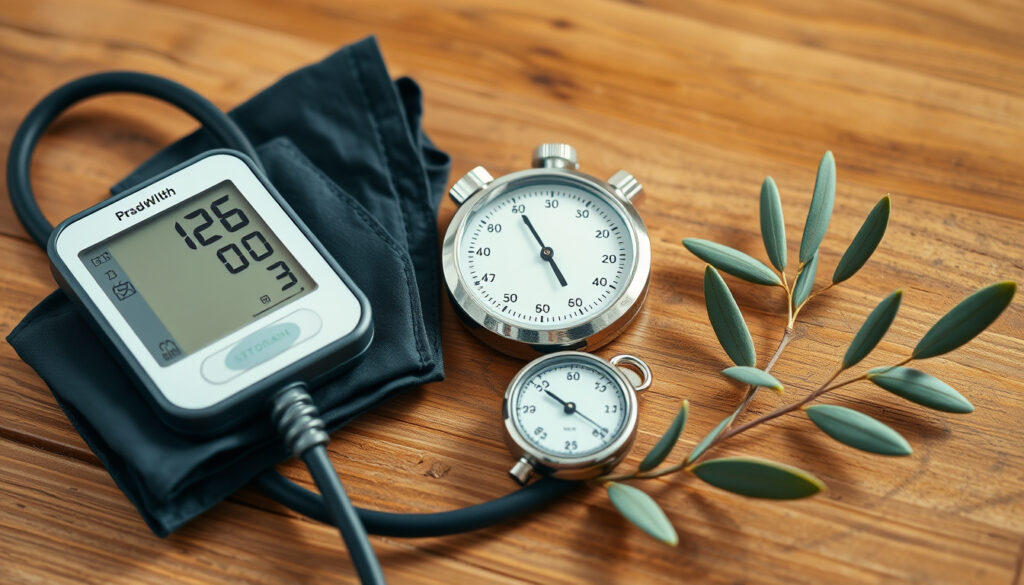
How to Cure High Blood Pressure in 3 Minutes: Myth vs Reality
The idea of curing high blood pressure in 3 minutes is a myth, yet the urgency behind that search is real. No medically established method can cure chronic hypertension that quickly, but knowing what to do during a sudden high reading can still save a life; this guide separates the dangerous myth from emergency actions and long-term habits that work.
How to Cure High Blood Pressure in 3 Minutes: Expert-Backed Guide
47% of U.S. adults have hypertension (CDC)≥130/80 mm Hg is the ACC/AHA hypertension threshold>180/120 mm Hg marks a hypertensive crisis5–7 mm Hg average systolic drop from regular exercise (AHA)<1,500 mg recommended daily sodium target for BP control
Can the 3-minute cure work?
- No evidence supports curing chronic hypertension in 3 minutes, according to the American Heart Association.
When is a high reading an emergency?
- A reading >180/120 mm Hg is a possible crisis; organ damage defines an emergency, per the AHA Scientific Statement.
Can a high reading change fast?
- Rest, quiet, and a correct re-measure may change an alarming reading, says the Mayo Clinic.
What works long term?
- DASH diet, sodium reduction, exercise, and medication are evidence-based, according to the National Heart, Lung, and Blood Institute.
Blood pressure categories give context to a single reading:
| Category | Systolic (mm Hg) | Diastolic (mm Hg) | What it means |
|---|---|---|---|
| Normal | <120 | <80 | Consistent with a healthy range |
| Elevated | 120–129 | <80 | Higher than optimal; monitor |
| Stage 1 hypertension | 130–139 | 80–89 | Talk to a clinician about lifestyle changes |
| Stage 2 hypertension | ≥140 | ≥90 | Medical treatment is usually indicated |
| Hypertensive crisis | >180 | >120 | Seek emergency care if sustained or symptomatic |
Can high blood pressure be cured in 3 minutes?
No. Hypertension is a chronic condition, not a temporary number that can be erased with a breathing trick. The American Heart Association describes it as a sustained elevation in blood pressure that requires ongoing management, not a one-time reset.
Why the 3-minute cure is a myth
The idea may come from viral videos and quick-fix health claims, but the medical consensus is clear: no clinical trial supports curing chronic high blood pressure in three minutes. What can happen in three minutes is a temporary change in a reading — often from stress, caffeine, a full bladder, or poor cuff position — not a cure.
What actually lowers blood pressure immediately
Some techniques can lower a reading in the moment: slow diaphragmatic breathing, sitting quietly for five minutes, and avoiding conversation during measurement. They produce a more accurate reading, not a cure. The Mayo Clinic advises resting and repeating the measurement when a very high reading occurs without symptoms.
Differentiating emergency lowering from chronic management
A rapid breathing exercise can drop systolic pressure by 5–10 mm Hg in some people, making a scary reading look less severe. But that change does not mean the underlying hypertension is gone. Emergency lowering is a hospital action; chronic management is a daily routine. Hypertensive emergencies generally require hospital treatment and titratable intravenous medication, not self-treatment, according to the NCBI Bookshelf StatPearls review.
“A blood pressure of 180/120 mm Hg or higher can signal a hypertensive crisis, but the presence of new or worsening organ damage determines whether it is a hypertensive emergency.”
American Heart Association Scientific Statement
The pattern: the 3-minute cure myth fails because it confuses a temporary reading change with disease modification.
How to lower blood pressure at home in 5 minutes?
If you are asking this because you have symptoms, stop reading and call 911. If you have no symptoms, the five-minute plan is simple: rest, re-check, and respond.
Emergency breathing technique for hypertensive crisis
Slow, deep breathing can temporarily reduce sympathetic nervous system activity. For a non-emergency reading, inhale for four counts, exhale for six counts, and do this for 3–5 minutes. It may lower systolic pressure by 5–10 mm Hg in some people. The goal is a more stable reading, not a complete treatment.
When to choose ER over home management
- BP ≥180/120 plus chest pain, shortness of breath, weakness, numbness, vision changes, back pain, or difficulty speaking: call 911.
- BP ≥180/120 with no symptoms: rest for five minutes, re-check, and contact a clinician if the second reading stays that high.
- BP below 180/120 but with new symptoms possibly linked to organ damage: do not wait for a repeat reading.
Before acting on any home reading, use the technique recommended by the U.S. Centers for Disease Control and Prevention: sit quietly, support your arm, use a validated upper-arm cuff, and do not talk. Caffeine, nicotine, exercise, stress, a full bladder, poor cuff placement, and talking can transiently raise readings or make them less reliable.
Home remedies for high blood pressure
Evidence-based home remedies include reducing sodium, eating more potassium-rich foods, following the DASH pattern, and staying active. They work over weeks, not minutes. Immediate “spike-busting” tricks such as drinking lemon water, taking vinegar, or chewing herbs are not substitutes for a verified repeat reading.
- Walk into a quiet room and sit upright for five minutes.
- Place a validated upper-arm cuff on bare skin, arm supported at heart level.
- Wait 30 seconds after the first reading, then take a second reading.
- If the second reading is ≥180/120 with symptoms, call 911.
- If the second reading is ≥180/120 without symptoms, call your clinician.
Upsides of a home response
- Produces a clean, repeatable measurement.
- Lowers anxiety with a structured plan.
- Identifies white-coat or situational spikes.
Downsides of a home response
- Cannot repair organ damage.
- May delay emergency care if used to “wait and see.”
- May encourage reliance on unproven instant remedies.
The implication: the 5-minute question is really about triage, not treatment.
What medications treat high blood pressure?
Medication choices depend on age, race, kidney function, diabetes, pregnancy status, and side effects. There is no single universal “best” pill.
What is the fastest medication to lower blood pressure?
In a hospital setting, intravenous drugs such as nicardipine, labetalol, or nitroprusside lower pressure quickly, but they are used under continuous monitoring. At home, immediate-release nifedipine is sometimes described as fast, but it can cause dangerous drops and is not a routine self-treatment choice. The safest fast response to a true hypertensive emergency is emergency medical treatment, which may include titratable IV medication, according to BMJ Best Practice.
What is the safest pill for high blood pressure?
For most people, ACE inhibitors, angiotensin receptor blockers (ARBs), calcium channel blockers, and thiazide diuretics are first-line options. “Safest” depends on individual risks; for example, ACE inhibitors and ARBs are common for younger adults, but not during pregnancy.
What is the most common pill for high blood pressure?
Common medications include lisinopril (ACE inhibitor), amlodipine (calcium channel blocker), losartan (ARB), and chlorthalidone (diuretic). Their effect on blood pressure is measured over weeks, not minutes. A person who wants fast pressure reduction should not double a dose without medical advice.
“Rapidly forcing blood pressure to normal at home can be dangerous because excessive lowering may reduce blood flow to the brain, heart, or kidneys.”
Merck Manual Professional Edition
The pattern: fast medications belong in monitored settings; steady ones win in daily life.
What is stroke level blood pressure?
The term is not a formal diagnosis, but many experts use ≥180/120 mm Hg as the danger threshold. If that reading appears with stroke-like symptoms, it becomes a hypertensive emergency.
What are the warning signs 7 days before a stroke?
There is no reliable 7-day checklist. Some transient ischemic attacks produce warning symptoms before a stroke, but they can appear and vanish hours or days earlier. The more practical warning set includes sudden facial drooping, arm weakness, speech difficulty, vision loss, confusion, or a sudden severe headache. Sudden neurological symptoms require immediate emergency care, not a blood pressure measurement first.
Should I go to the ER if my blood pressure is 160 over 90?
A reading of 160/90 is Stage 2 hypertension, but it does not by itself meet the >180/120 crisis threshold. ER evaluation is not automatically needed unless symptoms or organ damage are present. According to the Cleveland Clinic, a reading of 180/120 or higher that repeats needs prompt medical contact; lower readings are managed through follow-up rather than an emergency room trip.
How to prevent stroke while sleeping?
Sleep apnea is a recognized contributor to nocturnal blood pressure spikes. If a person snores heavily or wakes gasping, an overnight sleep study may identify obstructive sleep apnea; treating it with CPAP can reduce nighttime BP surges. Avoiding heavy alcohol before bed also prevents alcohol-related pressure rises.
“If a repeat reading remains at or above 180/120 mm Hg without symptoms, prompt medical contact is advised.”
Cleveland Clinic
Use this decision table to separate emergency, urgent, and routine situations:
| Situation | Definition | Action |
|---|---|---|
| Hypertensive emergency | Very high BP plus chest pain, confusion, weakness, numbness, vision changes, back pain, breathing trouble, or speech difficulty | Call 911; hospital evaluation and IV treatment |
| Severe high reading without symptoms | BP ≥180/120 after rest and repeat | Contact a clinician promptly; do not self-treat |
| Stage 2 hypertension | BP ≥140/90, but below 180/120 | Scheduled medical follow-up; daily monitoring |
The implication: “stroke level” matters less than the combination of the number and the body’s warning signs.
How does alcohol affect blood pressure?
Alcohol is not a benign extra. It can raise blood pressure in several ways, including activating the sympathetic nervous system and interfering with sleep. The World Health Organization includes reducing alcohol among the lifestyle measures that help lower blood pressure over time.
Can lack of sleep raise blood pressure?
Yes. Short or poor sleep increases nighttime stress hormones and reduces the normal nocturnal dip in blood pressure. Chronic sleep deprivation is associated with higher average daytime pressure, and sleep apnea can produce sharp surges during the night.
Natural ways to lower blood pressure with herbs
Some herbal supplements, including hibiscus and beetroot juice, show modest blood pressure–lowering effects. They are not rapid cures and should be used with caution because supplements can interact with prescription drugs. Evidence for most herbs is weaker and less consistent than evidence for sodium reduction and the DASH diet.
Effect of chronic stress on hypertension
Chronic stress can raise blood pressure through repeated sympathetic activation. It also encourages coping habits such as alcohol, poor sleep, and overeating — each of which increases pressure further. Stress reduction is useful, but it should not replace medication or emergency care when needed.
The catch: lifestyle factors are powerful, but their timeline is weeks and years, not minutes.
Frequently Asked Questions
What is the DASH diet?
The DASH eating plan emphasizes vegetables, fruits, whole grains, legumes, nuts, and lower-fat dairy, while limiting sodium, red meat, and added sugar. The National Heart, Lung, and Blood Institute developed it to lower blood pressure.
Does stress cause high blood pressure?
Stress does not always cause permanent hypertension, but repeated stress can raise blood pressure and trigger habits that make it worse. Relaxation techniques are helpful, not a replacement for medication.
Is it dangerous to have high blood pressure during pregnancy?
Yes. Hypertensive disorders of pregnancy increase risks for the parent and baby. Prenatal monitoring and clinician-directed treatment are essential; some common blood pressure pills are not safe during pregnancy.
Can high blood pressure cause kidney damage?
Yes. Over time, elevated pressure damages the small blood vessels in the kidneys, which can reduce kidney function and raise the risk of chronic kidney disease.
How often should I check my blood pressure at home?
For most people with high blood pressure, checking once or twice daily at consistent times is reasonable. The American Heart Association recommends a quiet, consistent routine.
What is the best time to take blood pressure medication?
Some evidence suggests bedtime dosing can improve nighttime blood pressure control for certain patients, while morning dosing suits others. Timing should follow a clinician’s instruction, not a personal experiment.
Can losing weight lower my blood pressure naturally?
Yes. Weight loss of even 5–10% of body weight can produce meaningful reductions in blood pressure for many people. It works over weeks to months, not minutes.
The common thread is that blood pressure control comes from patterns, not panic.
The Bottom Line: Hypertension Is Managed, Not Cured in Minutes
A 3-minute cure does not exist. What exists is a set of practical actions: re-checking a high reading correctly, calling 911 for symptoms, and committing to long-term blood pressure control.
More health guides that use the same safety-first, when-to-seek-help lens can help you make better triage decisions. See Torn Meniscus Symptoms Test: Signs & When to Seek Help or Why Is My Pee Cloudy? Causes, Colors & When to See a Doctor. For the full library, visit MediaScope Daily.
For a person with hypertension, the real cure story is not a minute-counting trick; it is the daily choice to measure carefully, seek help at the right moment, and follow a plan that lowers risk over years, not seconds.
More related posts
 Kolkata Knight Riders vs CSK Match Scorecard 2026 IPL
 How Many Tablespoons in a Cup? Quick Conversion Guide
 The Chosen Season 4: Free Streaming, Cast Changes, Season 5
 Live Music Near Me Tonight: Find Concerts & Events [City Guide]
 What Is Red 40? Ingredients, Side Effects, and Regulation
 Baltimore Ravens vs Cleveland Browns Match Player Stats 2025
 Kaitlyn Dever Movies and TV Shows: Complete Career Guide
 Best Productivity Apps (2025): Top Picks for Android, iOS & PC