How Do You Get Ringworm? Cau e , Tran mi ion, Treatment
Few skin conditions trigger the “wait, what?” reaction quite like ringworm — probably because the name suggests something that simply isn’t true. The good news is that once you know how this fungal infection actually spreads, you can take simple steps to avoid it, and this guide separates the facts from the folklore covering transmission routes, treatment timelines, and how everyday household items can play a role.
Cause: Dermatophyte fungi (ringworm is not a worm) ·
Incubation period: 4–14 days after exposure ·
Treatment duration: 2–4 weeks of antifungal medication ·
Contagious period: Until 48 hours after starting treatment or lesions heal
Quick snapshot
- Direct contact with infected people, animals, or objects (Cleveland Clinic)
- Fungal spores in soil (Victorian Department of Health)
- Warm, moist environments increase risk (World Health Organization)
- Avoid sharing personal items (World Health Organization)
- Wash bedding and towels in hot water (CDC)
- Treat infected pets (CDC)
- Practice good hygiene (CDC)
Six key facts that define ringworm transmission, diagnosis, and treatment at a glance:
| Label | Value |
|---|---|
| Medical term | Tinea corporis (body), tinea capitis (scalp), tinea pedis (foot) |
| Cause | Dermatophyte fungi (Microsporum, Trichophyton, Epidermophyton) |
| Incubation | 4 to 14 days |
| Treatment | 2–4 weeks of antifungal therapy |
| Contagious until | 48 hours after starting effective treatment or lesion clearance |
What is the main cause of getting ringworm?
The name is the most persistent myth: ringworm has nothing to do with worms. The Cleveland Clinic (dermatology specialists) states clearly that ringworm is caused by dermatophyte fungi — not a worm. Three main genera are responsible: Trichophyton, Microsporum, and Epidermophyton, according to GoodRx (health information platform).
Direct skin‑to‑skin contact with an infected person
Human-to-human transmission is the most common route. The Victorian Department of Health (public health authority) notes that Trichophyton rubrum and Trichophyton mentagrophytes frequently pass from person to person through direct contact. The Mayo Clinic (medical research institution) confirms that ringworm often spreads via direct skin‑to‑skin contact with an infected person.
Contact with infected animals (cats, dogs, livestock)
Animals are a major reservoir. The Victorian Department of Health reports that Microsporum canis is the primary agent for tinea capitis and tinea corporis in Australia, often transmitted from cats and dogs. Trichophyton verrucosum spreads from livestock. The CDC (U.S. public health agency) advises avoiding contact with infected pets to reduce spread.
Contact with contaminated objects (towels, bedding, gym equipment)
Fomites — objects that carry the fungus — can transmit ringworm indirectly. The World Health Organization (global health authority) advises against sharing clothing, towels, hairbrushes, or other personal items. GoodRx adds that touching an infected surface is enough to contract the infection.
Fungal spores in soil
Soil-to-human transmission exists, though it is less discussed. The Victorian Department of Health identifies Microsporum gypseum, a fungus found in soil, as a cause of ringworm. This means gardening without gloves or walking barefoot in contaminated earth can pose a risk.
The biggest misconception — the “worm” in the name — leads people to underestimate how easily the fungus travels. A single shared towel or an untreated pet can start a household outbreak that lasts weeks.
The pattern: ringworm spreads through three overlapping vectors — humans, animals, and the environment. Most people catch it from others, but pets and soil are overlooked contributors that can keep an infection circulating in a household.
The implication: early treatment is the only way to break the transmission cycle and prevent reinfection in close contacts.
How did I get ringworm at home?
Domestic settings are a perfect environment for dermatophyte fungi. Warmth, humidity, and shared items create transmission opportunities that many people don’t recognize until a rash appears.
Sharing personal items (towels, combs, clothing)
The World Health Organization explicitly warns against sharing towels, hairbrushes, and clothing. Fungal spores can survive on fabric for weeks. GoodRx notes that the fungus can live on surfaces long enough to infect the next person who uses them.
Contaminated bed sheets and linens
Bedding is a common but often overlooked reservoir. The CDC recommends washing bedding and towels in hot water to kill spores. Dermatophyte fungi thrive in warm, moist environments — exactly what a slept-in bed provides.
Infected family members or pets
Household transmission cycles are common. The CDC advises treating infected pets alongside humans to prevent reinfection. The Victorian Department of Health emphasizes that Microsporum canis, carried by cats and dogs, is a leading cause of ringworm in children.
Walking barefoot in shared areas (bathroom, locker room)
Public showers, locker rooms, and pool areas are high-risk zones. The World Health Organization recommends wearing shoes or sandals in these areas. The CDC adds that keeping skin clean and dry and changing socks and underwear daily are effective prevention measures.
A person sharing a bathroom with a family member who has athlete’s foot (tinea pedis) faces direct exposure every time they step onto the same damp floor without flip‑flops. The solution costs nothing — but the oversight can cost weeks of treatment.
The implication: ringworm at home is rarely a single-incident event. It’s a chain of missed prevention steps — sharing a towel, skipping the flip‑flops, not washing pet bedding.
This means that breaking the chain requires a coordinated effort across all household members and pets.
What cures ringworm fast?
Treatment speed depends on the location and severity of the infection. The CDC states that most uncomplicated cases respond to over-the-counter antifungal creams within two to four weeks.
- Use an OTC antifungal cream (clotrimazole, terbinafine) twice daily for 2–4 weeks.
- Keep the infected area clean and dry to prevent fungal growth.
- For scalp or widespread infections, consult a doctor for prescription oral medication.
Over‑the‑counter antifungal creams (clotrimazole, terbinafine)
GoodRx lists clotrimazole, miconazole, and terbinafine as first-line OTC options. The CDC confirms that these creams are effective for mild tinea corporis and tinea pedis. Consistency is critical — skipping doses allows the fungus to rebound.
Prescription oral medications for severe or resistant cases
For scalp ringworm (tinea capitis) or widespread infections, oral antifungals like terbinafine or griseofulvin are required. The CDC notes that these are prescription-only and typically used for four to eight weeks. Topical creams alone cannot penetrate the hair follicle deeply enough to cure scalp infections.
Home remedies (tea tree oil, apple cider vinegar) – evidence review
Some home remedies have limited antifungal activity. A 2020 review in Journal of Applied Microbiology noted that tea tree oil shows in vitro activity against dermatophytes, but clinical evidence for ringworm is sparse. The CDC does not endorse any home remedy as a substitute for medical treatment. Relying on vinegar or oils alone risks allowing the infection to spread.
When to see a doctor
The CDC recommends seeing a healthcare provider if the rash is widespread, does not improve after two weeks of OTC treatment, or involves the scalp. The Cleveland Clinic adds that people with weakened immune systems should seek prompt medical attention.
This underscores that timely and complete treatment is the most reliable path to cure.
Will ringworm go away on its own?
This question reflects a common hope, but the medical consensus is clear: treatment is strongly recommended.
Why untreated ringworm often persists or spreads
The CDC states that ringworm usually requires antifungal treatment. The fungus lives on keratin in skin, hair, and nails, and without active medication, it continues to replicate. The Cleveland Clinic warns that scratching can spread the infection to other body parts — a process called autoinoculation.
Rare cases of mild self‑resolution (months)
The World Health Organization notes that the immune system can sometimes clear mild infections on its own, but this can take months. During that time, the person remains contagious and may spread the fungus to others. The trade-off between waiting and treating is clear: treatment shortens the contagious window and reduces household transmission. For more information on how ringworm spreads and how to avoid it, consult our eczema cream guide. eczema cream guide
Risks of not treating: secondary infection, spread to others
Untreated ringworm carries three risks: it spreads to other parts of the body, it spreads to family members and pets, and it can lead to secondary bacterial infections from scratching. The CDC emphasizes that prompt treatment is the most effective way to stop the cycle.
This means that waiting for spontaneous resolution is a gamble with unnecessary risks.
How long is ringworm contagious?
Knowing the contagious window is essential for preventing further spread. The timeline has phases.
Before symptoms appear (incubation period)
The incubation period for ringworm is 4 to 14 days, according to the World Health Organization. During this time, a person may carry the fungus without visible signs. GoodRx notes that the infection can still be transmitted during this asymptomatic period, though the risk is lower than when the rash is active.
During the active infection
Once the rash appears, the person is highly contagious. The CDC advises avoiding skin contact with the affected area. GoodRx states that the infection is contagious until lesions heal and treatment has begun.
After starting treatment
GoodRx reports that ringworm stops being contagious after 48 hours of antifungal treatment. The CDC adds that many common disinfectants, including diluted chlorine bleach and strong detergents, can kill spores on surfaces.
Precautions to avoid spreading
The World Health Organization recommends washing hands after touching the infected area, not sharing personal items, and keeping the area clean and dry. The CDC adds that changing socks and underwear daily and disinfecting surfaces can break the transmission cycle.
This reinforces that early treatment and hygiene measures are crucial to prevent household spread.
Confirmed facts
- Ringworm is a fungal infection, not a worm. — Cleveland Clinic
- Transmission occurs via direct contact or fomites. — World Health Organization
- Antifungal creams are effective for most cases. — CDC
- Treatment typically lasts 2–4 weeks. — CDC
What’s unclear
- Whether very mild cases can self-resolve without treatment (some anecdotal reports, but medical consensus advises treatment). — World Health Organization
- Exact contribution of soil exposure vs. person-to-person transmission in domestic settings. — Victorian Department of Health
- Evidence for home remedies like tea tree oil as a substitute for medical treatment is limited and not clinically proven. — CDC
- The risk of transmission from asymptomatic carriers is not well quantified. — GoodRx
Quotes from medical authorities
“Ringworm is a common fungal skin infection. It’s not caused by worms.”
— World Health Organization
“Ringworm often spreads by direct, skin‑to‑skin contact with an infected person.”
— Mayo Clinic
“Ringworm is a contagious fungal infection that causes a circular, ring‑like pattern.”
— Cleveland Clinic
Summary
Ringworm is a dermatophyte fungal infection that passes between people, animals, and contaminated surfaces — but not from worms. The window of contagion extends from the incubation period through the first 48 hours of treatment, making early intervention key. For anyone sharing a household with an infected person, the choice is clear: treat promptly with antifungal medication, disinfect linens and surfaces, and check pets for signs of infection, or risk a cycle of reinfection that can last for months.
If you’re wondering how you get ringworm, a detailed guide on How Do You Get Ringworm explains the causes, symptoms, and treatment options available.
Frequently asked questions
Is ringworm dangerous?
Ringworm is not typically dangerous for healthy people, but it can cause secondary bacterial infections if scratched excessively. The CDC notes that people with weakened immune systems may develop more severe or widespread infections.
Can ringworm kill you?
No. Ringworm is a superficial fungal infection that does not cause death in otherwise healthy individuals. The Cleveland Clinic classifies it as a treatable skin condition.
Does ringworm live on bed sheets?
Yes. Fungal spores can survive on fabric for weeks. The CDC recommends washing bedding and towels in hot water to kill spores.
Can ringworm go away in 3 days?
No. The CDC states that treatment typically takes 2–4 weeks. While itching may improve within days, the infection is not cleared in 3 days.
How to know if you have ringworm?
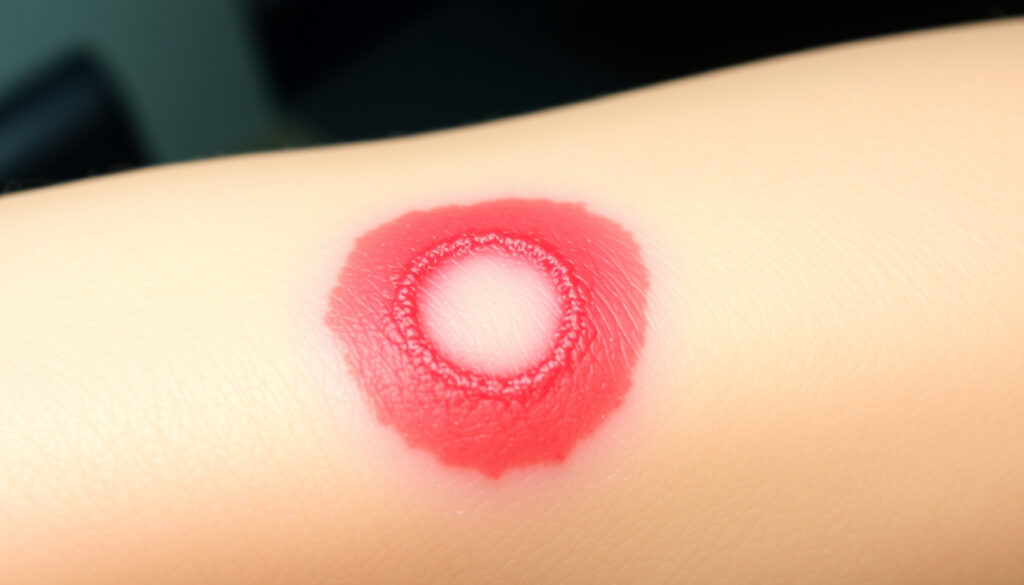
Look for a circular, ring-shaped rash with raised, red edges and clearer skin in the center. The Cleveland Clinic notes that itching, redness, and scaling are common. A doctor can confirm with a skin scraping.
How long does ringworm last?
With treatment, most cases resolve in 2–4 weeks. Without treatment, it can persist for months. The World Health Organization advises treatment to prevent spread and speed resolution.
What kills ringworm quickly?
OTC antifungal creams like clotrimazole or terbinafine are the fastest option. The CDC recommends twice-daily application for 2–4 weeks. Prescription oral antifungals work faster for scalp infections.
Is ringworm contagious?
Yes. The CDC states ringworm is contagious until lesions heal and treatment has begun. It spreads through direct contact with infected people, animals, or contaminated objects.
Related reading
More related posts
 Seahawks vs Steelers Player Stats: 31-17 Recap (2025)
 Apple CarPlay Not Working? Fix It Now (2025 Guide)
 Ca t of Red One Film: Full Li t of Actor and Character
 Hunger Games Catching Fire Cast – Full List & Key Facts
 Jeff Bridges Movies and TV Shows: Complete Filmography
 Milwaukee Brewers vs Dodgers Timeline: 2025 NLCS
 Lindsay Lohan Before and After: Truth Behind the Facelift Rumors