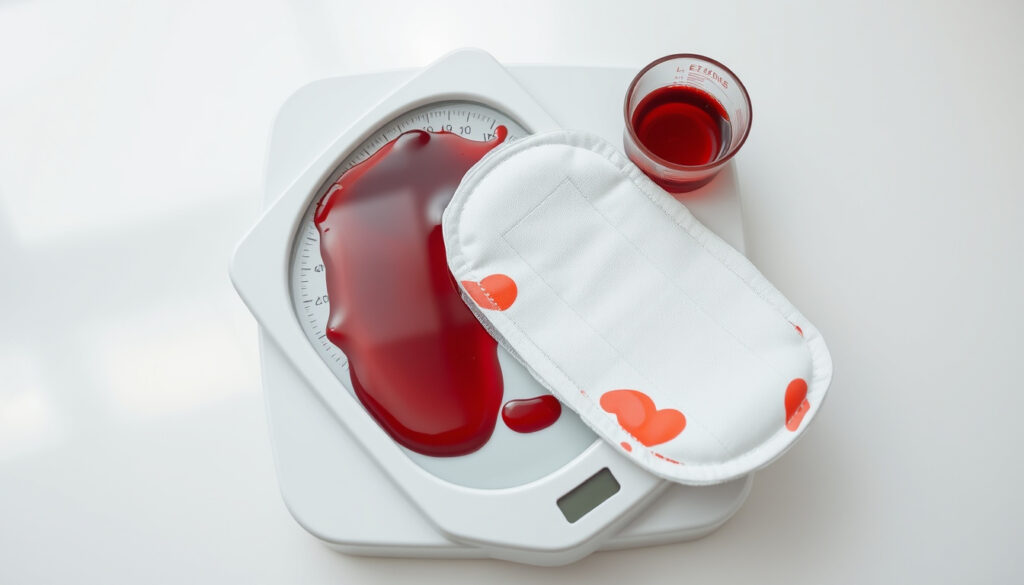
Signs You’re Losing Too Much Blood During Period: When to Worry
Few things feel as unsettling as a period that seems to be flooding out of nowhere, leaving you wondering if what you’re seeing is normal or a sign that your body needs help. Heavy menstrual bleeding, known medically as menorrhagia, affects up to 10% of women of reproductive age, yet many aren’t sure when the flow crosses the line from heavy to dangerous.
Normal menstrual blood loss per period: 25–80 ml ·
Definition of heavy menstrual bleeding (menorrhagia): Blood loss >80 ml per period ·
Soaking through a pad or tampon every hour for several hours: Key sign of menorrhagia ·
Percentage of women affected by heavy periods: Up to 10% ·
Iron deficiency anemia risk from chronic heavy bleeding: Common complication ·
Typical period duration: 3–7 days
Quick snapshot
- Heavy bleeding defined as soaking through a pad or tampon every hour for several hours (Medical News Today).
- Passing clots larger than a quarter is a warning sign (Medical News Today).
- Exactly why one period is suddenly heavier without an underlying condition may need investigation (Patient.info).
- How quickly individual blood loss tolerance drops toward emergency thresholds varies (Healthgrades).
- If bleeding soaks protection every 30 minutes or less, seek emergency care immediately (Medical News Today).
- Bleeding beyond 7 days also warrants a medical review (Healthgrades).
- Contact your GP or call NHS 111 if your pattern changes or you feel unwell (NHS guidance).
- Prioritize iron-rich fluids and rest (Patient.info).
Six key facts about menstrual blood loss, one pattern: the line between normal and dangerous is measured in both volume and how your body responds.
| Fact | Value |
|---|---|
| Normal period length | 3–7 days |
| Average blood loss per period | 30–40 ml (normal range 25–80 ml) |
| Heavy bleeding threshold | >80 ml per period |
| Common cause of heavy periods | Hormonal imbalance (e.g., perimenopause, PCOS) |
| Prevalence of menorrhagia | Affects about 10% of women of reproductive age |
| Risk of anemia from heavy periods | Iron deficiency anemia develops in 5–10% of women with menorrhagia |
What happens when you lose too much blood during a period?
Recognizing the signs of heavy menstrual bleeding
- Soaking through a pad or tampon every hour for several hours in a row is the most common clinical definition of menorrhagia, according to Medical News Today (health information publisher).
- Passing blood clots the size of a quarter or larger is another red flag that points to blood loss exceeding the normal 30–40 ml average.
Common symptoms of blood loss
- Fatigue, shortness of breath, dizziness, and pale skin are signs that your red blood cell count may be dropping. Patient.info (UK medical information platform) notes that these symptoms can accompany heavy periods and indicate anemia.
- If you feel weak or faint during your period, treat it as a signal that your body is struggling to keep up with blood loss.
When should you go to the hospital for heavy menstrual bleeding?
How to measure blood loss at home
- Track how many pads or tampons you use per hour and how quickly they become saturated. Changing protection every hour or more often is a common non-emergency threshold that still requires medical review, says Healthgrades (doctor-reviewed health resource).
- Note the size of any clots and whether you feel lightheaded or short of breath when you stand up.
Warning signs that require emergency care
- Bleeding so heavy you need a change every 30 minutes or less, along with feeling weak, dizzy, sick, or losing consciousness – these are grounds for an emergency room visit, per Medical News Today (health journalism site).
- Rapid heart rate and low blood pressure are also concerning signs. The American College of Obstetricians and Gynecologists (professional medical organization) recommends that adolescents who are hemodynamically unstable or actively bleeding heavily should be hospitalized.
- If pregnancy is possible, heavy bleeding may indicate miscarriage and needs urgent assessment, warns Medical News Today (health journalism site).
Why this matters: The difference between a heavy period that can wait for a GP appointment and one that requires an ambulance often comes down to how your whole body reacts – not just how much is on the pad.
What to drink when you have heavy periods?
Hydration strategies to support recovery
- Water, electrolyte beverages, and herbal teas (like ginger or peppermint) help replace fluids lost through bleeding. Avoid excessive caffeine and alcohol, which can worsen dehydration.
- Keeping a water bottle nearby and sipping regularly throughout the day is a simple but effective way to maintain energy.
Iron-rich drinks and supplements
- Beetroot juice, prune juice, and smoothies with spinach or kale can help replenish iron stores. However, the Patient.info (UK medical information platform) notes that evidence for specific foods reducing bleeding is mostly anecdotal.
- If anemia is confirmed, your doctor may recommend an iron supplement. ACOG advises assessing ferritin levels in adolescents with heavy bleeding to guide treatment.
Many over-the-counter “iron boosters” aren’t standardized. Stick with food-based sources and get a blood test before starting supplements.
The implication: prioritize food sources over supplements without a diagnosis.
How do I stop period gushes when I stand up?
Why gushes happen: gravity and pooling blood
- When you lie down or sit, blood can pool in the vagina or uterus. Standing suddenly releases that pool, causing a sudden gush. It’s a mechanical effect, not necessarily a sign of heavier total flow.
- Understanding that gushes are often a delay effect rather than a hemorrhage can reduce anxiety.
Practical tips to manage sudden bleeding
- Use a menstrual cup or high-absorbency pad to catch the release. Many women find a cup more reliable for sudden surges because it creates a seal.
- Change positions slowly – sit up for a moment before standing – to give your body a few seconds to adjust.
- Wear dark clothing on heavy days to reduce stress about visible leaks.
The catch: Gushes aren’t dangerous by themselves, but if they come with clots larger than a quarter or a feeling of faintness, that’s a separate signal that should not be ignored.
Why is my period so heavy this month?
Common causes of a sudden heavy period
- Hormonal imbalance (e.g., during perimenopause or with PCOS) is the most frequent culprit, according to Patient.info. Stress, weight changes, and thyroid problems can also disrupt the cycle.
- Uterine fibroids, polyps, and endometriosis are structural causes that can lead to heavier bleeding.
Hormonal changes and medical conditions
- Blood disorders like von Willebrand disease may be uncovered when heavy periods are investigated. ACOG recommends screening adolescents with heavy menstrual bleeding for bleeding disorders.
- A single heavy period may not signal a chronic problem, but if the pattern repeats for three cycles or more, it’s time for a workup.
A one-off heavy month often corrects itself. Two or more in a row doubles the chance of finding an underlying cause that needs treatment.
The pattern: If heavy bleeding recurs, a workup is warranted.
Steps to Manage Heavy Bleeding
- Track your flow. Use a period diary or app to record how often you change protection, clot size, and symptoms like dizziness or fatigue.
- Hydrate and rest. Drink water and iron-rich fluids. Elevate your legs if you feel faint.
- Choose the right product. A high-absorbency pad or menstrual cup can handle sudden gushes better than a regular tampon.
- Contact your GP or nurse. If bleeding lasts more than 7 days or forces you to change protection hourly, schedule an appointment. NHS guidance says to seek help right away if a period is different to usual and you need urgent advice.
- Follow up on treatment options. NHS England explains that medicines or hormones may be offered before surgery, and surgery may be considered if those fail or if fibroids or polyps are found.
Confirmed facts
- Heavy menstrual bleeding is medically defined as blood loss >80 ml per period.
- Soaking through a pad or tampon every hour for several consecutive hours indicates menorrhagia.
- Large blood clots (larger than a quarter) are a sign of heavy bleeding.
- Iron deficiency anemia is a common complication of chronic heavy periods.
What’s unclear
- The exact cause of a single unusually heavy period is often unknown without further investigation.
- The effectiveness of specific fruits or drinks for reducing bleeding is not strongly supported by clinical evidence (anecdotal only).
- The threshold for when a period gush becomes a medical emergency can vary by individual health status.
- Whether a single heavy period indicates a chronic condition is not always clear without medical evaluation.
“If you bleed for more than seven days or change pads every hour, you may have menorrhagia.”
Cleveland Clinic menorrhagia page (via Medical News Today)
“If a person experiences heavy bleeding with tiredness, or shortness of breath during their period, they could be losing too much blood.”
Medical News Today (health journalism site)
“Many women have heavy periods (also called menorrhagia) and they may be normal for you. They can affect anyone who has periods.”
NHS (UK National Health Service) – heavy periods page
For anyone facing a period that feels like a leaky faucet they can’t turn off, the takeaway is straightforward: your body is telling you something. The combination of how much you’re losing, how your body feels, and whether the pattern repeats is what separates a heavy but harmless cycle from one that needs medical intervention. For women in the UK, the NHS 111 service or your GP is the first port of call — not the A&E unless you’re changing protection every 30 minutes and feel like you might pass out. The decision is clear: track, hydrate, rest, and if in doubt, pick up the phone.
Related reading: What Causes Low Blood Sugar? Causes, Symptoms, and Treatment
unitedwellness.co.uk, childrensmercy.org, hormona.io, yourhealth.leicestershospitals.nhs.uk, acog.org, reddit.com, england.nhs.uk
Frequently asked questions
Can heavy periods cause anemia?
Yes. Iron deficiency anemia develops in 5–10% of women with menorrhagia. Symptoms include fatigue, pale skin, and shortness of breath. Patient.info notes that serum ferritin should be checked if heavy bleeding is chronic.
Is it normal to pass large blood clots during period?
Clots larger than a quarter (about 2.5 cm) are considered abnormal and can indicate menorrhagia. Medical News Today lists this as a warning sign that requires evaluation.
Does birth control help reduce heavy menstrual bleeding?
Hormonal contraceptives (pill, patch, ring, or IUD) are often prescribed to regulate cycles and reduce flow. NHS England includes hormones as a first-line option before surgery.
How is menorrhagia diagnosed?
Through a combination of history, blood tests (CBC, ferritin, iron studies), and imaging such as ultrasound or hysteroscopy. ACOG recommends screening for bleeding disorders in adolescents.
What treatments are available for heavy periods?
Options include NSAIDs (like ibuprofen), tranexamic acid, hormonal contraceptives, and, if needed, surgical procedures such as endometrial ablation or myomectomy for fibroids. NHS England provides a decision aid for choices.
Can stress cause a heavy period?
Stress can disrupt the hypothalamic-pituitary-ovarian axis, leading to hormonal fluctuations that may alter flow temporarily. Chronic stress is not a common direct cause but can be a contributing factor.
When should I see a gynecologist for heavy bleeding?
If you are experiencing any of the following: bleeding that soaks protection every hour for several hours, lasts more than 7 days, contains clots larger than a quarter, or causes dizziness/shortness of breath. A GP can refer you to a gynecologist if needed.
More related posts
 What Is a Hedge Fund? Simple Explanation and Examples
 32 oz to Cups: Complete Liquid vs Dry Conversion Guide
 Does Target Take Apple Pay? Yes, Here’s How to Use It
 GTA 6 Release Date: When Will GTA 6 Come Out
 Hunger Games Catching Fire Cast – Full List & Key Facts
 North Korea Rocket Launches: Tests, Nuclear Arsenal & Defense
 John Turturro Movies and TV Shows: Full Filmography
 San Antonio River Walk Guide: Length, Safety, Things to Do