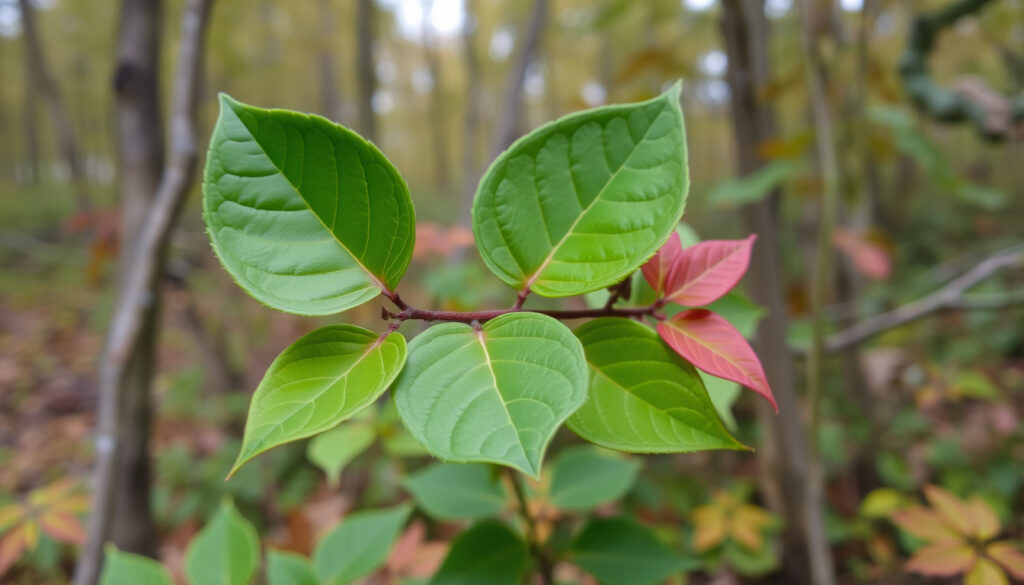
What Does Poison Ivy Look Like? Guide
You’re out on a hike, brushing past a patch of green, and later your skin starts to itch. That familiar three-leafed plant might be poison ivy, and knowing what it looks like across the seasons is your best defense.
People allergic to urushiol: up to 85% ·
Leaflets per leaf: three ·
Rash onset time: 12-48 hours ·
Urushiol potency duration: years
Quick snapshot
- Poison ivy always has three leaflets (Mass Audubon (conservation organization))
- The allergen urushiol causes contact dermatitis in most people (University of Maryland Extension (university))
- Rash is not contagious from blisters (Children’s Hospital of Philadelphia (pediatric hospital))
- Effectiveness of home remedies like toothpaste or rubbing alcohol (CHOP (pediatric hospital))
- Whether some people are completely immune — immunity can change over time (University of Maryland Extension) (CHOP (pediatric hospital))
- Exact duration urushiol remains potent on dead plants (Mass Audubon) (CHOP (pediatric hospital))
- Spring: red or green leaves emerge, shiny and new (Skin Surgery Center (dermatology clinic))
- Summer: leaves turn dull green, some new red leaves may appear (Skin Surgery Center) (Skin Surgery Center (dermatology clinic))
- Fall: leaves turn red, yellow, orange (Skin Surgery Center) (Skin Surgery Center (dermatology clinic))
- Winter: bare vines with hairy roots and white berries (Skin Surgery Center) (Skin Surgery Center (dermatology clinic))
- Wash exposed skin within 30 minutes with soap and water (CHOP)
- Apply over-the-counter corticosteroid creams if rash appears (CHOP)
- See a doctor if rash covers a large area or reaches face/genitals (CHOP)
Here are the essential facts about poison ivy’s biology and behavior.
| Attribute | Value |
|---|---|
| Scientific name | Toxicodendron radicans |
| Active irritant | Urushiol oil |
| Native range | North America |
| Leaf arrangement | Alternate, compound with 3 leaflets |
| Rash cause | Type IV allergic contact dermatitis |
| Seasonal visibility | Leaves present spring to fall; bare vines in winter |
How can I tell if I have poison ivy?
Recognizing the rash pattern and location
The poison ivy rash is your body’s allergic reaction to urushiol oil. It typically appears as red, intensely itchy bumps or blisters that often form in lines or streaks — exactly where the plant brushed against your skin, according to the Children’s Hospital of Philadelphia. The rash can appear anywhere on the body, but it’s most common on exposed arms and legs.
Mass Audubon notes that the rash isn’t contagious from the blisters — you can’t spread it to other parts of your body or to another person once the oil is washed off.
Timing of symptoms after contact
The first signs — itching and redness — usually begin 12 to 48 hours after exposure, reports the Children’s Hospital of Philadelphia. Blisters may develop over the next few days. The rash typically lasts one to three weeks, depending on the amount of urushiol and your sensitivity.
The pattern: recognizing the rash early and knowing the timeline helps you act fast and avoid worsening symptoms.
What do the first stages of poison ivy look like?
Shape and arrangement of leaves
Poison ivy’s leaves are compound and consist of three leaflets — the classic “leaves of three, let it be” rule. The central leaflet has a noticeably longer stalk than the two side leaflets, according to Mass Audubon. Leaflet edges can be smooth or have a few large jagged teeth. The leaves are arranged alternately along the stem, not opposite each other — a key distinction from some look-alikes, as emphasized by the University of Maryland Extension.
Seasonal leaf color changes
- Spring: Leaves are often shiny red, green, or a mix of both (Skin Surgery Center).
- Summer: Mature leaves turn a dull green, but new leaves may still appear red (Skin Surgery Center).
- Fall: Leaves turn vibrant red, orange, and yellow (Skin Surgery Center).
- Winter: Leaves drop, but bare vines with hairy rootlets and small white berries remain (Mass Audubon).
Vine vs shrub growth habit
Poison ivy is versatile — it can grow as a climbing vine, a low shrub, or even a ground-cover carpet. Mass Audubon explains that the vines often look “hairy” because they are covered with thin rootlets that anchor the plant to trees or fences.
Poison ivy changes its look through the year — but the constant is always three leaflets with an alternate leaf arrangement. For beginners, focus on that rule and learn to spot the hairy vine in winter when leaves are gone.
The implication: seasonal changes can make identification harder, but the three-leaflet rule and alternate arrangement remain constant year-round.
What are the first signs of a poison ivy rash?
Itching as the first symptom
Intense itching is almost always the first clue, often before any visible rash appears, according to the Children’s Hospital of Philadelphia. This reaction can start within hours of contact for very sensitive individuals, but more commonly begins after 12 hours.
Progression from red rash to blisters
Soon after the itching begins, red bumps or patches appear. These can quickly develop into small blisters that may ooze clear fluid. The Children’s Hospital of Philadelphia notes that blisters often appear in a linear pattern, reflecting the path of the plant across the skin.
How blisters break and crust over
Within a few days, blisters may break and crust over. The rash then begins to heal. It’s important not to scratch — breaking the skin can lead to infection. The Children’s Hospital of Philadelphia emphasizes that the fluid in blisters is not contagious.
If the rash covers more than 10% of your body, appears on your face or genitals, or you have trouble breathing, seek medical attention immediately — this is a sign of a severe allergic reaction.
What this means: don’t hesitate to seek medical help if the rash is severe — early intervention prevents complications.
What is commonly mistaken for poison ivy?
Several harmless plants share similar leaves, but a few key differences will help you tell them apart. Below is a comparison of the most common look-alikes and how poison ivy differs from each.
| Plant | Leaflets per leaf | Key difference from poison ivy |
|---|---|---|
| Poison ivy | 3 | Central leaflet has longer stalk; alternate arrangement; hairy vines |
| Virginia creeper | 5 | Five leaflets, not three (University of Maryland Extension) |
| Box elder | 3–5 | Opposite leaf arrangement; stems are greenish and often have a waxy coating (University of Maryland Extension) |
| Fragrant sumac | 3 | Leaves are aromatic when crushed; plant is a low shrub with no hairy vines (CHOP) |
| Blackberry / raspberry | 3–5 | Stems have thorns; poison ivy stems are smooth (University of Maryland Extension) |
The implication: even experienced outdoorspeople confuse these plants. Focus on leaf arrangement (alternate vs. opposite) and stem texture (thorns or smooth) as your most reliable shortcuts.
What clears up poison ivy the fastest?
Immediate washing with soap and water
The single most effective step is to wash the affected area with soap and warm water within 30 minutes of exposure, says the Children’s Hospital of Philadelphia. Dawn dish soap can help remove urushiol because it breaks down oils, but any soap works. Don’t scrub too hard — you don’t want to open the skin.
Over-the-counter creams and lotions
Once a rash develops, calamine lotion and hydrocortisone cream can relieve itching and inflammation, according to CHOP. Oral antihistamines like diphenhydramine (Benadryl) may also help control itching at night.
Prescription treatments for severe cases
For extensive rashes, a doctor may prescribe stronger corticosteroid creams, pills, or even injections. The Children’s Hospital of Philadelphia recommends seeking medical care if the rash covers a large area, is on the face or genitals, or if you have a fever.
Myths: Dawn dish soap and toothpaste
While Dawn dish soap can effectively remove urushiol from the skin if used immediately, it doesn’t help once the rash has appeared. Toothpaste is a common folk remedy but has no proven benefit and can cause skin irritation, according to CHOP. Stick to proven treatments.
- Wash with soap and water within 30 minutes.
- Apply hydrocortisone cream or calamine lotion to the rash.
- Take oral antihistamines for severe itching.
- See a doctor for large or facial rashes.
- Do not use toothpaste, bleach, or rubbing alcohol — these can worsen the rash.
The catch: home remedies can do more harm than good, so stick with proven medical treatments.
Confirmed facts and what’s still unclear
Confirmed facts
- Leaves of three rule – poison ivy always has three leaflets (Mass Audubon)
- Urushiol causes allergic reaction in most people (University of Maryland Extension)
- Rash is not contagious from blisters (CHOP)
- Washing within 30 minutes can reduce severity (CHOP)
What’s unclear
- Whether home remedies like toothpaste have any real benefit
- If some people are completely immune — immunity can change over time
- How many years urushiol remains potent on dead plants (varies by conditions)
The pattern: most claims about poison ivy are backed by solid research, but gaps remain around home remedies and long-term immunity.
Expert perspectives on poison ivy
“The rash typically appears as red streaks or patches with blisters. It is intensely itchy and usually shows up 12 to 48 hours after contact with the plant.”
“Washing the skin with soap and water within 30 minutes after exposure may reduce the amount of urushiol on the skin and possibly prevent a rash.”
— Children’s Hospital of Philadelphia (pediatric hospital)
“In winter, poison ivy may lose its leaves but can still be recognized by exposed roots, bare branches, and persistent white berries.”
— Skin Surgery Center (dermatology clinic)
For hikers, gardeners, and anyone who spends time outdoors, the lesson is clear: learn the leaves of three, wash after any contact, and keep calamine lotion in your first-aid kit. The alternative is a week of itching you could have avoided.
While identifying the plant is the first step, understanding poison ivy rash treatment myths can help you avoid common mistakes that prolong the irritation.
Frequently asked questions
Can poison ivy spread by touching the blisters?
No. The fluid in blisters does not contain urushiol, so touching blisters or their fluid cannot spread the rash. However, you can spread urushiol if you touch it before washing.
Is poison ivy rash contagious?
Not once the urushiol oil is washed off. The rash itself is not contagious — you cannot catch it from another person’s rash or blisters.
How long does poison ivy rash last?
Most rashes resolve within one to three weeks. Severe cases or repeated exposure may take longer.
Can you get poison ivy in winter from dead vines?
Yes. Urushiol can remain potent on dead vines and stems for months or even years, so avoid touching bare vines in winter.
Does washing with Dawn dish soap prevent rash?
Yes, if used within 30 minutes of contact. Dawn helps break down the oil, but any soap and water works. After a rash appears, it won’t help.
What is the best over-the-counter treatment?
Calamine lotion and hydrocortisone cream are effective for itching. Oral antihistamines like Benadryl can also provide relief, especially at night.
When to see a doctor for poison ivy rash?
If the rash covers a large area, appears on your face or genitals, blisters are severe, or you have a fever, seek medical care.
Can poison ivy grow in your yard?
Yes, it can grow in gardens, along fences, and at the edge of wooded areas. Wear gloves and long sleeves when removing it, and never burn the plants — the smoke can carry urushiol.
Related reading: How Do You Get Ringworm? Causes, Transmission, Treatment (skin conditions) and Can Dogs Eat Beans? Safe Types, Risks & Preparation Tips (identifying harmful vs. safe plants).
More related posts
 Where to Watch Warriors vs Rockets on TV & Streaming
 Marvel Avengers Doomsday Trailer: Release Date & Leaks
 Tulsa King Season 1: Where to Watch, Episodes & Guide
 What is Generative AI? Simple Explanation & Examples
 Queens of the Stone Age: 2025-2026 Tour, Health, & History
 Cast of NCIS: Tony & Ziva – The Full Cast List 2025
 Bill Skarsgård Movies and TV Shows: Complete List 2025
 Moving Companies Near Me: Costs, Tips & Red Flags (2025 Guide)