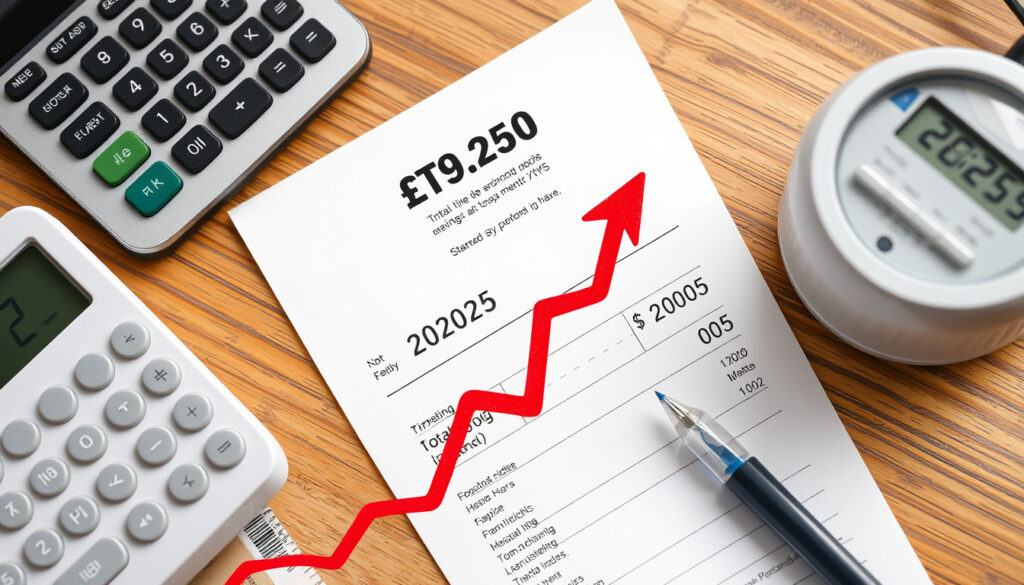
Duquesne Light Bill Rise: 2025-2026 Rate Hikes Explained
Few things grab your attention like an electric bill that’s suddenly much higher than last month. If you’re a Duquesne Light customer in the Pittsburgh area, that jolt has become all too familiar. Rate increases tied to generation supply costs and distribution upgrades have pushed bills sharply higher, and more changes arrive in 2026. This article breaks down exactly what’s driving the rise and what you can do about it.
Average Duquesne Light monthly bill (2022): $78 ·
Projected increase (June 2025): 15% or more ·
Rate increase announced for June 2026: 2.84% ·
Reported spike from a customer (2023): from $60 to $135 (125% increase)
Quick snapshot
- Duquesne Light’s residential Price to Compare jumped to 9.7093¢/kWh on June 1, 2025 (ElectricityRates.com rate analysis)
- The June 2025 increase was over 15% above the prior rate of 8.4472¢/kWh (ElectricityRates.com)
- Distribution rate hike of 2.84% scheduled for June 1, 2026 (ElectricityRates.com)
- Exact percentage of the 2025 increase for all customer types
- Average monthly bill after the 2025 increase for a typical household
- Whether the 2023 spike was entirely rate-driven or partly usage-related
- June 1, 2025: generation rate +15%+ (Duquesne Light Company official residential rates)
- December 1, 2025: Price to Compare reset to 13.75¢/kWh (Duquesne Light Company official residential rates)
- January 1, 2026: USC increased (Duquesne Light tariff history)
- June 1, 2026: distribution rate +2.84% (Duquesne Light Company official residential rates)
- Another Price to Compare increase on June 1, 2026 to 14.14¢/kWh (Duquesne Light Company)
- PJM capacity auction costs expected to ripple through 2026–2027 (Duquesne Light Newsroom PJM auction analysis)
The snapshot below summarizes the key rate figures and service area details.
| Duquesne Light service area | Pittsburgh and southwestern Pennsylvania |
| Distribution rate increase (June 2026) | 2.84% |
| Generation rate increase (June 2025) | Over 15% |
| Customer-reported bill spike (2023) | From $60 to $135 (125% increase) |
Why is my Duquesne Light bill so high?
Generation supply rate increases
The largest factor is the “Price to Compare” – the per-kilowatt-hour charge for the electricity itself. Duquesne Light can adjust this generation supply rate up to four times per year (ElectricityRates.com utility rate explainer). On June 1, 2025, the residential rate jumped to 9.7093 cents per kWh, an increase of more than 15% from the previous 8.4472 cents per kWh. That alone added roughly $9 to a typical monthly bill.
Then came the December 1, 2025 reset: the Price to Compare rose to 13.75 cents per kWh, according to Duquesne Light’s official residential rates page. By June 1, 2026 it will increase again to 14.14 cents per kWh – a 2.8% jump in that component alone.
Two rate resets in twelve months (June 2025 and June 2026) increase the generation charge by roughly 68% from 8.447¢ to 14.14¢ per kWh. Customers on the default supply rate absorb every penny.
Distribution rate adjustments
Beyond generation, Duquesne Light recovers costs for delivering electricity through distribution charges. In April 2025, the monthly charge applicable to all rates shifted from -0.10% to +0.02% (Duquesne Light tariff history). The Distribution System Improvement Charge (Rider No. 22) rose from 0.49% to 1.39% effective April 1, 2026. And the Universal Service Charge increased from 1.549¢/kWh to 1.599¢/kWh on January 1, 2026.
These adjustments are approved by state regulators and fund infrastructure upgrades. But together they add 5–10% to a bill that is already climbing from generation costs.
Seasonal usage spikes
Heating and cooling account for the largest share of household electricity use. A winter cold spell or summer heat wave can push monthly kWh consumption 30–50% above average, magnifying the impact of each rate increase. Customers in Pittsburgh reported bills doubling in extreme months even before the latest hikes.
Bottom line: Duquesne Light customers face a triple squeeze – a 68% rise in generation supply rates over 12 months, incremental distribution fee increases, and seasonal usage peaks. The implication for a typical household is a monthly bill that could be $30–$50 higher than in early 2025.
What does the Duquesne Light bill breakdown look like?
Understanding your bill is the first step to managing it. Duquesne Light’s statement breaks down into three main parts: generation supply, distribution delivery, and taxes/fees.
- Generation supply: The cost of the electricity itself. This is the Price to Compare, which fluctuates with market conditions and PJM capacity costs. Customers can shop for a third-party supplier to lock in a fixed rate.
- Distribution delivery: Duquesne Light’s charges for maintaining poles, wires, and transformers. This includes base rates, the Distribution System Improvement Charge, and the Universal Service Charge.
- Taxes and surcharges: State gross receipts tax, municipal fees, and the FRA (Fuel-Related Adjustment) charge – which rose from $11.45 to $12.89 per MWh in the 2024–2025 period (Duquesne Light tariff history).
Bottom line: The generation portion is the most volatile – and the part you can change by choosing a third-party supplier. Distribution costs are fixed by regulation and only change once or twice a year.
When is the next Duquesne Light rate increase?
June 1, 2025 – generation supply hike (already in effect)
The 15%+ increase in the residential Price to Compare took effect June 1, 2025. EnergyBot energy pricing blog reported that the increase was driven by higher PJM capacity auction costs and natural gas prices. The impact: roughly $9 more per month for a typical household.
December 1, 2025 – next generation reset
On December 1, 2025, the Price to Compare rose to 13.75 cents per kWh (Duquesne Light Company). That’s a 42% jump from the June 2025 level – far larger than the expected 2.8% distribution increase.
January 1, 2026 – Universal Service Charge increase
Effective January 1, 2026, the USC rose from 1.549 cents to 1.599 cents per kWh (Duquesne Light tariff history).
June 1, 2026 – distribution rate increase of 2.84%
Duquesne Light has announced a 2.84% distribution rate increase effective June 1, 2026 (ElectricityRates.com). This is far smaller than the generation increases but adds to the cumulative burden.
Bottom line: The next major date is June 1, 2026, when the distribution rate rises 2.84% and the generation Price to Compare resets again. Between now and then, customers on the default supply rate will pay the 13.75¢/kWh winter rate before the summer 2026 increase.
How can I lower my Duquesne Light bill?
Comparing third-party supplier rates
Pennsylvania is a deregulated electricity market. You can choose a third-party generation supplier and lock in a fixed rate, insulating yourself from Duquesne Light’s quarterly resets. Compare offers on the Pennsylvania PUC’s PA Power Switch website.
EnergyBot energy comparison platform notes that the default Price to Compare is often the most expensive option. A fixed-rate contract can save 10–20% during periods of rising generation costs.
Reducing high-usage appliance use
Heating and cooling are the biggest electricity users in a house (U.S. Department of Energy energy efficiency guidance). In winter, set your thermostat to 68°F when home and lower when away. In summer, use ceiling fans and set the AC to 78°F. Small changes in HVAC behavior can cut usage 10–15%.
Seeking assistance programs
Duquesne Light offers the Customer Assistance Program (CAP) for income-qualified customers, providing bill discounts and payment plans. The Pennsylvania LIHEAP program also provides heating assistance. Check Duquesne Light’s assistance page for details.
Customers who keep the default supply rate face the highest risk. Switching to a fixed-rate third-party supplier before the June 2026 reset could lock in rates below 14¢/kWh. For renters or low-usage households, even a 2¢ spread matters – that’s $20–$30 per month.
Timeline of Duquesne Light rate changes
- 2022 – Customers report bills rising sharply; average monthly bill around $78.
- 2023 – A Reddit user reports a 125% increase from $60 to $135.
- June 1, 2025 – Generation rate increase of over 15% takes effect; Price to Compare hits 9.7093¢/kWh.
- December 1, 2025 – Next Price to Compare reset to 13.75¢/kWh.
- January 1, 2026 – Universal Service Charge rises from 1.549¢ to 1.599¢/kWh.
- April 1, 2026 – Distribution System Improvement Charge increases from 0.49% to 1.39%.
- June 1, 2026 – Distribution rate increase of 2.84% goes into effect; Price to Compare rises to 14.14¢/kWh.
The pattern is clear: generation supply costs are driving the steepest increases, while distribution charges add smaller but steady pressure. The PJM capacity auction for 2025–2026 raised prices 800% – from $29.50 per megawatt-day to $270.35 – which will continue to ripple through future resets (Duquesne Light Newsroom PJM auction analysis).
What’s confirmed and what’s unclear
Confirmed facts
- Duquesne Light generation rates can change up to four times per year.
- A 15%+ rate increase was effective June 1, 2025.
- A 2.84% distribution rate increase is set for June 1, 2026.
- The Price to Compare rose from 8.4472¢/kWh to 9.7093¢/kWh (June 2025) and then to 13.75¢/kWh (Dec 2025).
- The USC increased from 1.549¢ to 1.599¢/kWh (Jan 2026).
- PJM capacity auction prices jumped 800% for 2025–2026.
What’s unclear
- The exact percentage of the 2025 increase for all customer classes (commercial, industrial).
- The average monthly bill after the 2025 increase for a typical household.
- Whether the 2023 reported spike ($60 to $135) was purely rate-driven or included seasonal usage.
- How much of the PJM auction cost will ultimately be passed to customers.
Voices from the ground
“I’ve seen my bill jump from $60 last summer to over $135 this summer. It’s not just a little bump – it feels like a different system.”
– Duquesne Light customer on Reddit (2023)
“The 2025–2026 PJM capacity auction will raise customer payments to power plant owners by approximately $2.18 billion across the region.”
– Duquesne Light Company Newsroom (official statement)
“Duquesne Light’s June 1, 2025 price increase affected the generation portion of bills through the Price to Compare. Customers can avoid future increases by locking in a fixed-rate supply contract.”
– EnergyBot (energy pricing analysis)
What this means for you
The combination of generation supply resets, distribution fee increases, and rising PJM capacity costs means Duquesne Light customers cannot count on bills stabilizing anytime soon. Those who take no action will pay the default Price to Compare, which has risen 68% in twelve months (from 8.447¢ to 14.14¢ per kWh). For the typical Pittsburgh household using 700–900 kWh per month, that translates to an extra $40–$60 per month compared to early 2025. The only proactive move is shopping for a fixed-rate third-party supplier before the next reset on June 1, 2026.
Related reading: Duquesne Light Rate Hike – June 2025 · Pennsylvania Energy Consumers Facing ~$2.18 Billion Increase in Electric Bills
Frequently asked questions
Can I avoid the Duquesne Light rate increase by choosing a third-party supplier?
Yes. You can switch to a third-party supplier that offers a fixed-rate plan. That locks in a generation rate for 6–24 months, insulating you from Duquesne Light’s quarterly Price to Compare resets.
Will my bill go up even if my usage stays the same?
Absolutely. Every rate increase – generation and distribution – applies regardless of how much electricity you use. Even if you consume the same kilowatt-hours, the per-unit price is higher.
How often does Duquesne Light change its generation supply rate?
Up to four times per year, typically on March 1, June 1, September 1, and December 1. The Price to Compare is set for three-month application periods.
What is the difference between Duquesne Light distribution and generation charges?
Generation charges pay for the electricity itself (the supply). Distribution charges pay for delivering it over poles, wires, and transformers – the infrastructure. You can choose your generation supplier but not your distribution provider.
Are there any state assistance programs for high electric bills in Pennsylvania?
Yes. The Pennsylvania LIHEAP program provides heating assistance, and Duquesne Light offers the Customer Assistance Program (CAP) with bill discounts and payment plans based on income.
More related posts
 When Was World War 2? Dates, Causes, and End Explained
 Ghost of Yotei: Release date, controversy and Easter egg
 Cynthia Erivo With Hair: The Real Story Behind Her Shave
 How Many Planets Are There? Solar System Planet Count Explained
 European Train Pass Info: Coverage, Cost & Best Options
 Urban Air Adventure Park: Age, Cost, Socks & Locations Guide
 New Balance Golf Shoes: Spiked, Waterproof and More
 Julie and the Phantoms Cast: Who Sings and Season 2 News